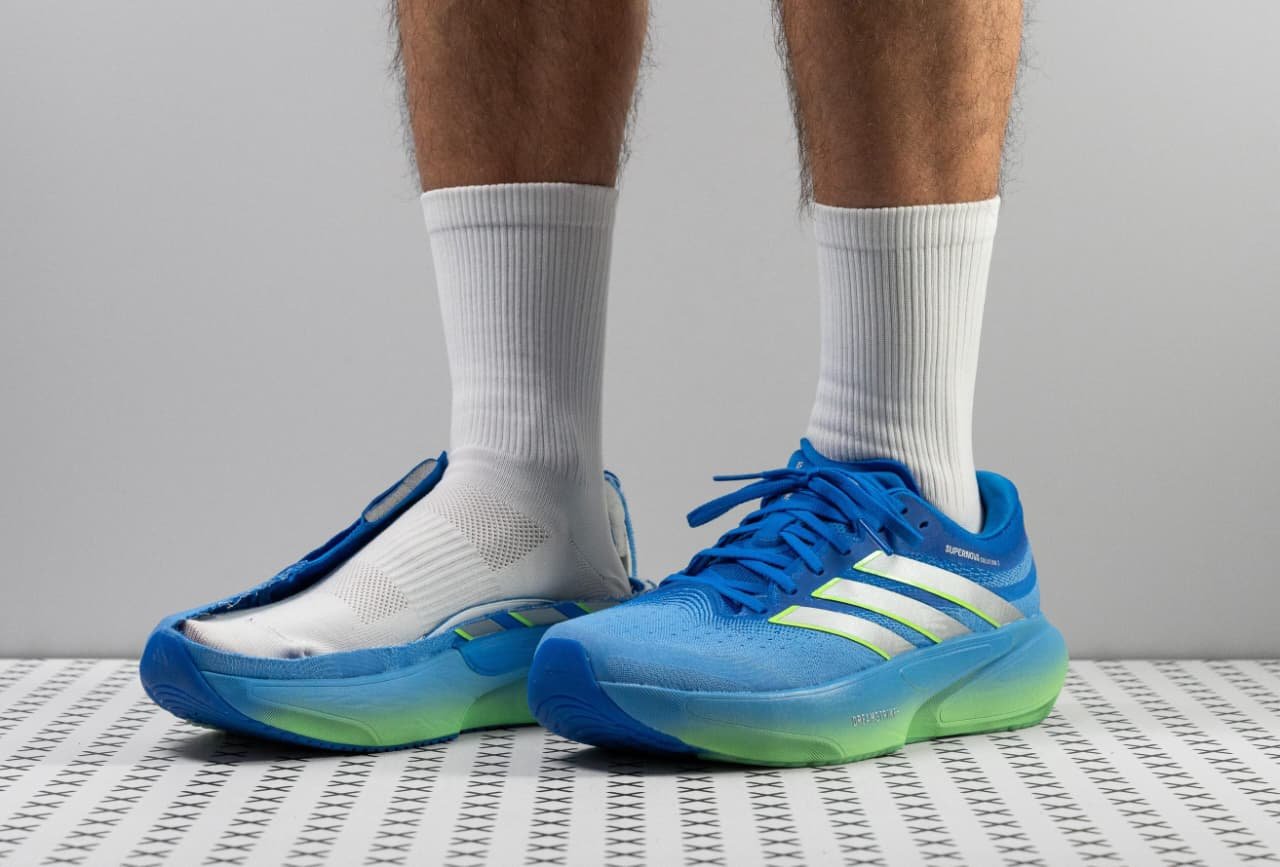
Flat feet are a common foot characteristic in which the arches of the feet appear lower than usual or may come closer to the ground when standing. Some people have flat feet without experiencing any problems, while others may experience foot fatigue, discomfort, or pain during prolonged walking and standing.
When flat feet are uncomfortable, footwear becomes an important consideration. A well-fitting pair of medicated shoes for flat feet may provide additional cushioning, support, stability, and comfort compared with poorly fitting conventional footwear.
However, choosing shoes for flat feet is not simply about finding the shoe with the highest arch or the thickest sole. Every person’s feet are different. Some people with flat feet may need more structure, while others may prefer a more flexible and naturally comfortable design.
The right footwear should match your foot shape, daily activities, comfort requirements, and any specific advice you have received from a healthcare professional.
In this complete guide, we will explain flat feet, how footwear can influence walking comfort, which features to look for in medicated shoes, common mistakes to avoid, and how to find a suitable pair for everyday use.
What Are Flat Feet?
Flat feet describe a foot shape in which the arches appear reduced or flattened, particularly when standing.
The arch of the foot normally helps distribute forces during standing and walking. Its shape can vary naturally between individuals.
Are Flat Feet Always a Problem?
No.
Many people have flat feet and experience no pain or functional problems.
Others may notice symptoms such as:
- 👣 Foot fatigue
- 🦶 Arch discomfort
- 🧍 Tired feet after standing
- 🚶 Discomfort during long walks
- 👟 Difficulty finding comfortable shoes
- 🦵 Discomfort extending into other areas of the lower limb
The presence of flat feet alone does not necessarily mean that a person requires specialized footwear.
Why Do People With Flat Feet Look for Medicated Shoes?
People generally consider supportive or medicated footwear when conventional shoes do not feel comfortable.
A suitable shoe may provide:
- 🦶 Appropriate arch support
- ⚖️ Better stability
- 🛋️ Comfortable cushioning
- 👣 A supportive footbed
- ↔️ Adequate width
- 📏 A proper fit
The goal is to make walking and standing more comfortable rather than attempting to completely change the natural shape of the foot.
How Flat Feet Can Affect Walking
The feet interact with the ground every time you stand or walk.
Foot structure can influence how forces move through the lower body.
Some people with flat feet may experience changes in their walking pattern, while others may not notice any difference at all.
Possible Areas of Discomfort
Depending on the individual, discomfort may occur around:
- The arch
- Heel
- Ball of the foot
- Ankle
- Lower leg
- Knee
However, these symptoms can have many possible causes. They should not automatically be attributed to flat feet.
10 Features to Look for in Medicated Shoes for Flat Feet
When choosing supportive footwear, consider the following features.
1. Appropriate Arch Support
Arch support is one of the first things people look for when shopping for shoes for flat feet.
A shoe with an appropriately shaped footbed may provide a more comfortable base for the foot.
Does Everyone With Flat Feet Need Strong Arch Support?
No.
This is an important point.
A very high or aggressive arch support may feel uncomfortable if it does not match your foot.
The best support is not necessarily the strongest support.
It should feel comfortable and should not create excessive pressure underneath the foot.
2. Stable Midsole
A stable midsole can provide a consistent platform for the foot during walking.
This can be particularly useful for people who feel that very soft footwear lacks stability.
Look for a Balance
An appropriate shoe should balance:
- Cushioning
- Stability
- Flexibility
- Support
A completely rigid shoe is not automatically better.
3. Comfortable Cushioning
Cushioning can improve walking comfort by providing a softer interface between your feet and the ground.
People who spend long hours standing may particularly appreciate comfortable cushioning.
However, excessive softness can sometimes make a shoe feel unstable.
What Should Good Cushioning Feel Like?
It should feel:
- 🛋️ Comfortable
- ⚖️ Stable
- 👣 Supportive
- 🔄 Suitable for your activity
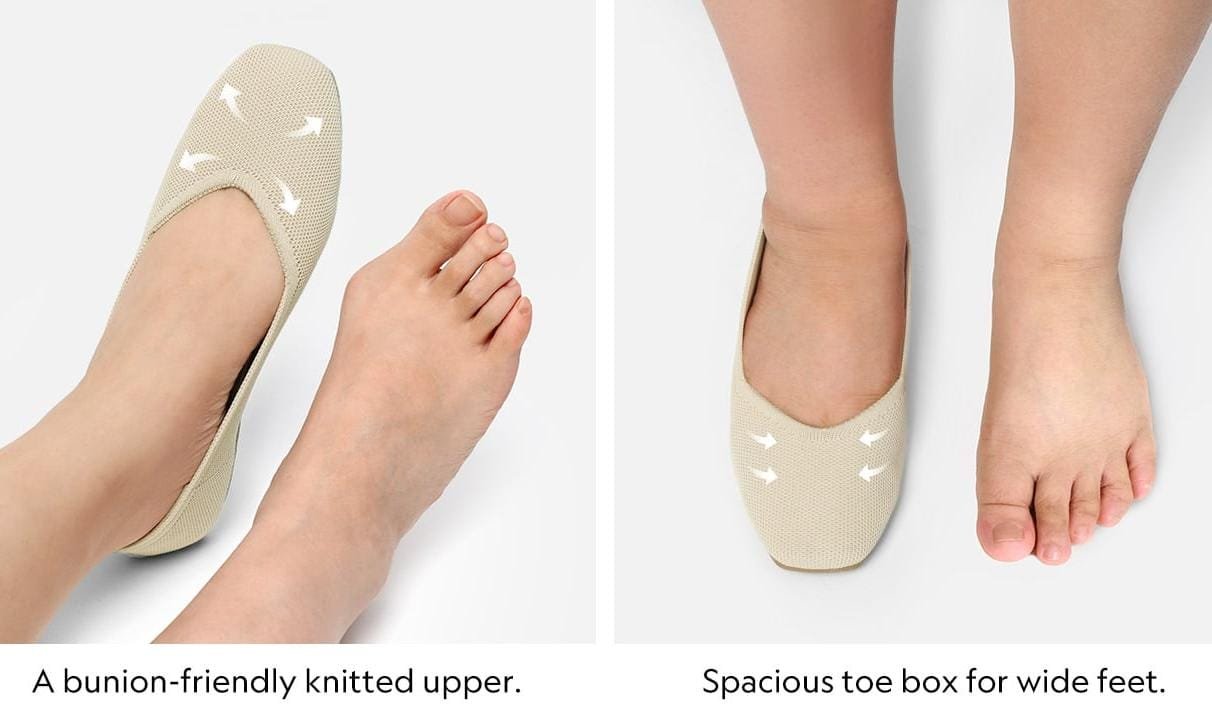
4. Wide and Comfortable Toe Box
Flat feet do not automatically mean that you need wide shoes, but your footwear should match your actual foot width.
If your forefoot is wide, a narrow shoe can create unnecessary pressure.
A comfortable toe box should allow the toes to sit naturally.
Check for:
- Enough side-to-side room
- Enough length
- No toe squeezing
- No pressure on the top of the toes
- No excessive movement
5. Secure Heel
The heel should remain reasonably secure inside the shoe.
Excessive heel movement can create friction and may make walking feel less stable.
A supportive heel structure can contribute to a more secure overall fit.
6. Appropriate Flexibility
A shoe needs to allow comfortable movement.
Very rigid footwear may feel restrictive, while footwear that bends excessively may not provide the stability some people prefer.
The ideal amount of flexibility varies between individuals.
7. Removable Insole
Removable insoles can be useful when a person needs to use another compatible insert.
If you have been advised to use a specific orthotic, check whether the shoe has sufficient internal space for it.
An insert should not make the shoe excessively tight.
8. Good Outsole Traction
A stable outsole can improve confidence during walking.
Choose traction appropriate for your environment.
For example:
- 🏠 Indoor flooring
- 🏢 Workplace surfaces
- 🛣️ Pavements
- 🌳 Outdoor paths
The outsole should suit the places where you normally wear the shoes.
9. Breathable Upper
If you wear shoes for several hours, breathable materials can improve comfort.
This is particularly useful in warm environments.
However, breathability should not come at the expense of fit, support, or durability.
10. Adjustable Closure
Adjustable closures can help achieve a more secure fit.
Options include:
- Laces
- Velcro straps
- Buckles
- Elastic closures
Choose the system that allows you to adjust the footwear comfortably.
How to Choose Arch Support for Flat Feet
Arch support can be confusing because many people assume that stronger support must always be better.
That’s not necessarily true.
Your Foot Should Guide the Choice
Two people with flat feet can have very different foot shapes and comfort requirements.
One person may find a structured footbed comfortable.
Another may prefer a less aggressive design.
A Good Test
When trying on a shoe:
- Put on both shoes.
- Stand naturally.
- Walk for several minutes.
- Pay attention to the arch.
- Check for pressure.
- Check overall stability.
The arch should feel supported without causing pain.
Medicated Shoes for Flexible vs Rigid Flat Feet
Not all flat feet are the same.
The way the arch behaves can vary.
Flexible Flat Feet
In flexible flat feet, the arch may appear when the foot is not bearing weight and flatten when standing.
Some people with flexible flat feet have no symptoms.
If discomfort occurs, supportive footwear may be considered based on individual needs.
Rigid Flat Feet
Rigid flat feet may involve a different underlying structure and may require professional evaluation, particularly when pain or limited movement is present.
Footwear alone should not be relied upon to diagnose or manage a structural problem.
Best Medicated Shoes for Walking With Flat Feet
If walking is your main activity, focus on practical comfort.
Recommended Features to Consider
- 👣 Supportive footbed
- 🛋️ Comfortable cushioning
- ⚖️ Stable sole
- 🛡️ Secure heel
- ↔️ Suitable width
- 🔄 Appropriate flexibility
- 🌬️ Breathable materials
A walking shoe should remain comfortable throughout the duration of your normal walk.
Medicated Shoes for Standing All Day
Standing for several hours can increase foot fatigue.
If your work requires prolonged standing, choose shoes carefully.
Look for:
Comfortable cushioning:
Helps make hard floors easier to tolerate.
Stable construction:
Provides a secure platform.
Good fit:
Reduces unnecessary foot movement.
Adequate width:
Helps prevent squeezing.
Suitable outsole:
Provides appropriate traction for your workplace.
Change Positions When Possible
If your work allows it, changing position or taking short breaks from prolonged standing may also improve general comfort.
Medicated Shoes for Flat Feet and Heel Pain
Some people with flat feet also experience heel discomfort.
When these issues occur together, footwear may need to provide both support and cushioning.
Consider:
- Comfortable heel cushioning
- Appropriate arch support
- Stable midsole
- Secure heel
- Adequate toe room
However, heel pain can have many causes. If symptoms persist, professional evaluation is appropriate.
Medicated Shoes for Flat Feet and Plantar Fasciitis
Plantar fasciitis and flat feet can sometimes occur together, but one does not automatically mean the other.
If both are present, comfortable footwear may include:
- 🦶 Appropriate arch support
- 🛋️ Heel cushioning
- ⚖️ Stable midsole
- 👣 Supportive footbed
- 📏 Correct fit
A shoe should not be selected solely based on a diagnosis. Individual comfort and professional recommendations should also be considered.
Can Shoes Correct Flat Feet?
This is one of the most common questions.
Shoes generally should not be viewed as a guaranteed method for permanently changing the natural structure of the foot.
Supportive footwear can provide a more comfortable environment for the foot during walking and standing.
Think of Shoes as Support
A useful way to think about supportive footwear is:
Support ≠ Permanent Structural Correction
A shoe can provide cushioning and support while you wear it, but that does not necessarily mean it will permanently reshape your feet.
Can Flat Feet Get Worse With Age?
Foot structure can change throughout life.
Changes may be associated with factors such as age, injury, body weight, activity, or other conditions.
If you notice a new change in your arch accompanied by pain, swelling, weakness, or difficulty walking, professional evaluation may be appropriate.
How to Choose the Correct Shoe Size
Correct sizing is essential for people with flat feet just as it is for everyone else.
Measure Both Feet
One foot may be slightly larger than the other.
Choose a size that comfortably accommodates the larger foot.
Measure at the End of the Day
Feet can become slightly larger throughout the day.
Trying shoes later in the day can provide a more realistic assessment.
Wear Your Normal Socks
Use the socks you normally wear with the shoes.
This helps you evaluate the true fit.
How Should Shoes for Flat Feet Fit?
A good shoe should feel secure without squeezing.
Toe Area
Your toes should have enough room to move.
Midfoot
The shoe should provide comfortable support without creating pressure.
Heel
The heel should remain reasonably secure.
Width
Your foot should not bulge over the edges of the shoe.
Walk Before You Buy
Always walk around in the footwear if possible.
Some problems become noticeable only when you move.
Signs That Your Shoes Are Too Small
Watch for:
- ❌ Toe pressure
- ❌ Side squeezing
- ❌ Numbness
- ❌ Rubbing
- ❌ Blisters
- ❌ Pain after short periods
Don’t assume that shoes will become comfortable simply because you wear them for longer.
Signs That Your Shoes Are Too Large
Oversized shoes can also cause problems.
Possible signs include:
- ❌ Excessive heel slipping
- ❌ Foot sliding forward
- ❌ Difficulty walking naturally
- ❌ Increased friction
- ❌ Feeling unstable
The goal is not the largest possible shoe.
The goal is the correct fit.
Common Mistakes When Buying Shoes for Flat Feet
❌ Choosing the Highest Arch Support
More support is not automatically better.
❌ Buying Only Based on “Orthopedic” Labels
Marketing terms do not guarantee suitability.
❌ Ignoring Width
Foot shape differs significantly between individuals.
❌ Choosing Extremely Soft Shoes
Softness does not necessarily provide stability.
❌ Buying Shoes That Are Too Tight
A supportive shoe should never rely on tightness to hold your foot in place.
❌ Ignoring Old Footwear
Worn-out cushioning and soles can change how the shoe feels.
How to Buy Medicated Shoes for Flat Feet Online
Online shopping is convenient, but you need to check the details carefully.
Check the Size Chart
Don’t rely exclusively on your normal shoe size.
Look for Width Information
Check whether the product comes in different widths.
Read the Product Description
Pay attention to:
- Insole
- Arch support
- Cushioning
- Sole
- Material
- Closure
- Removable insole
- Available sizes
Check the Return Policy
A return or exchange option is useful when buying footwear online.
Read Reviews
Customer reviews may provide information about:
- Sizing
- Width
- Comfort
- Durability
- Fit
But reviews reflect individual experiences and should not replace your own fit assessment.
How to Maintain Your Medicated Shoes
Proper maintenance can help preserve footwear quality.
🧼 Clean the Shoes
Follow the manufacturer’s instructions.
🌬️ Keep Them Dry
Allow wet shoes to dry completely before wearing them again.
🔍 Check the Insole
Look for:
- Folding
- Damage
- Uneven wear
👟 Inspect the Outsole
Check for:
- Uneven wear
- Cracks
- Reduced traction
🔄 Rotate Suitable Footwear
If possible, alternating between appropriate pairs can give each pair time to dry between uses.
When Should You Replace Shoes?
There is no universal replacement schedule.
It depends on:
- How frequently you wear them
- How far you walk
- Walking surfaces
- Shoe quality
- Your individual wear pattern
Replace Them When You Notice:
- 🛑 Flattened cushioning
- 🛑 Uneven sole wear
- 🛑 Damaged heel
- 🛑 Cracked sole
- 🛑 Torn upper
- 🛑 Loss of stability
- 🛑 New discomfort
Your shoes should continue to provide the level of comfort and support you expect.
Exercises and Foot Care for Flat Feet
Footwear is only one part of overall foot health.
Depending on your individual situation, a healthcare professional may recommend exercises, stretching, strengthening, or other approaches.
Important Reminder
Do not start an aggressive exercise program specifically to treat foot pain without understanding the cause of the symptoms.
If you have persistent discomfort, professional guidance can help identify an appropriate approach.
When Should You See a Healthcare Professional?
Flat feet without symptoms may not require treatment.
However, professional evaluation may be appropriate if you develop:
- ⚠️ Persistent pain
- ⚠️ Sudden changes in foot shape
- ⚠️ Significant swelling
- ⚠️ Weakness
- ⚠️ Difficulty walking
- ⚠️ Pain that interferes with daily activities
- ⚠️ Symptoms following an injury
A healthcare professional can help determine whether your symptoms are actually related to flat feet or another condition.
Frequently Asked Questions
What are the best medicated shoes for flat feet?
The best shoes depend on your individual foot shape and symptoms. Look for appropriate arch support, cushioning, stability, sufficient toe room, and a secure fit.
Do people with flat feet need special shoes?
Not necessarily. Many people with flat feet have no symptoms and can wear conventional footwear comfortably. Specialized footwear may be considered when standard shoes do not provide adequate comfort or support.
Is strong arch support good for flat feet?
Not always. Arch support should match your foot and feel comfortable. Excessive or poorly positioned support can create pressure.
Can medicated shoes cure flat feet?
Medicated shoes should not be considered a guaranteed cure or permanent correction for flat feet. They may provide support and improve comfort while being worn.
Are wide shoes better for flat feet?
Only if your feet actually require additional width. A shoe should match your foot shape rather than simply being as wide as possible.
Are running shoes good for flat feet?
Some running shoes provide cushioning and stability that may be comfortable for people with flat feet. The appropriate choice depends on individual fit and activity.
Can flat feet cause heel pain?
Some people with flat feet experience heel discomfort, but heel pain has many possible causes. A healthcare professional can help determine the underlying reason.
Should I use orthotic insoles with medicated shoes?
Some shoes can accommodate compatible orthotic inserts. If you use a prescribed or professionally recommended insert, choose footwear with sufficient internal space.
Are medicated shoes good for standing all day?
Supportive footwear with appropriate cushioning, stability, and fit may be more comfortable during prolonged standing.
Can children with flat feet wear medicated shoes?
Children’s feet develop over time, and flat feet can be a normal part of development. If a child has persistent pain, difficulty walking, or other concerning symptoms, consult an appropriate healthcare professional before choosing specialized footwear.
Final Thoughts
Finding the right medicated shoes for flat feet is primarily about choosing footwear that fits your individual feet and supports your everyday activities comfortably.
Important features to consider include:
- 👣 Appropriate arch support
- 🛋️ Comfortable cushioning
- ⚖️ Stable construction
- 🛡️ Secure heel
- ↔️ Suitable width
- 📏 Correct length
- 🔄 Appropriate flexibility
- 🧩 Removable insole when needed
Don’t assume that the shoe with the highest arch support, thickest sole, or most expensive price tag will automatically be the best choice.
Flat feet vary considerably from person to person. Some people have no symptoms at all, while others may experience discomfort during walking or standing.
If your feet are painful, your foot shape has recently changed, or you have difficulty walking, it is important to look beyond footwear and consider professional evaluation.
The best medicated shoe is ultimately one that fits your feet properly, feels comfortable, provides appropriate support, and allows you to move naturally during your everyday activities.