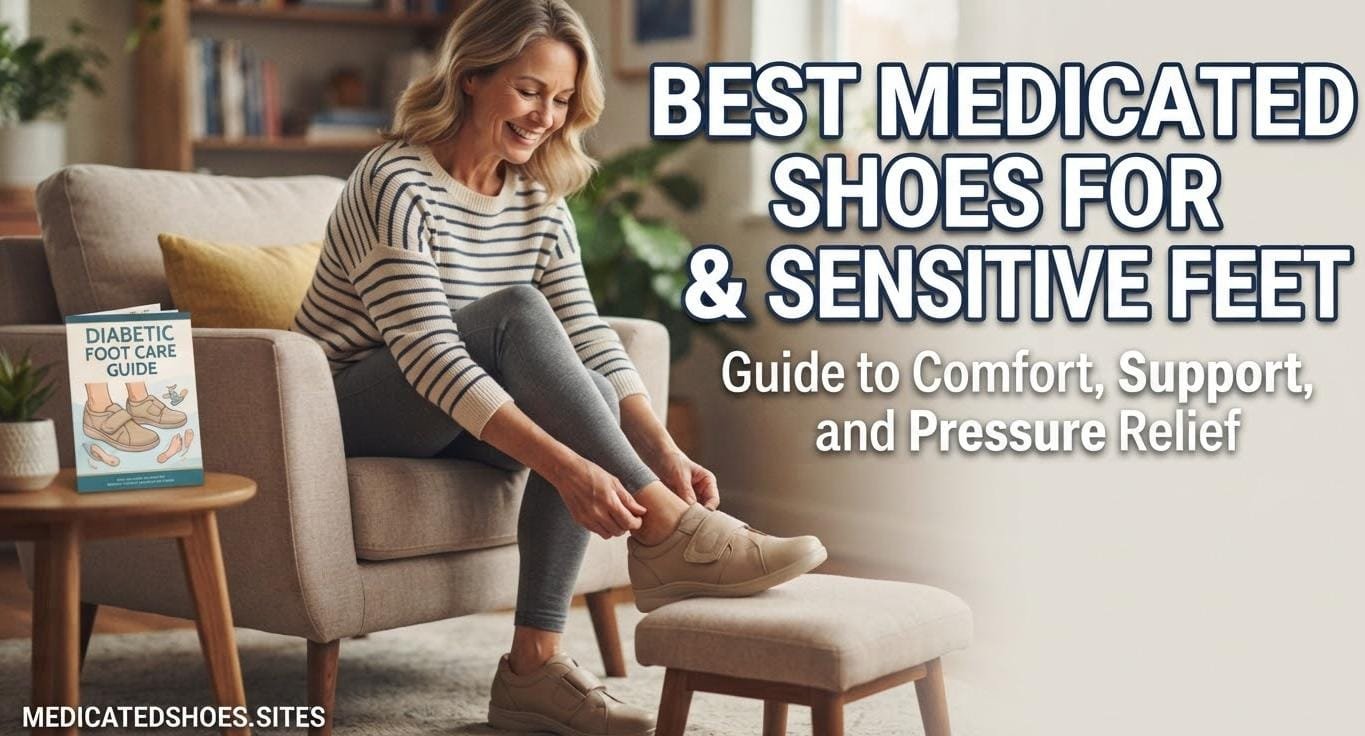
For people with diabetes, choosing the right footwear is more than a matter of style. Comfortable and properly fitting shoes can play an important role in protecting the feet from unnecessary pressure, rubbing, and minor injuries.
Diabetes can affect the feet in several ways. Some people may experience reduced sensation, changes in circulation, dry skin, or other foot-related problems. When sensation is reduced, a person may not immediately notice that a shoe is rubbing or creating pressure. A small problem can therefore become more serious if it is ignored.
This is why many people look for medicated shoes for diabetes, diabetic footwear, orthopedic shoes, or comfortable shoes for sensitive feet.
However, buying footwear simply because it is advertised as “diabetic” or “medicated” is not enough. The shoe should have a suitable fit, adequate room, comfortable cushioning, minimal pressure points, and a design appropriate for the wearer’s individual needs.
In this complete guide, we will explain what to look for when choosing medicated shoes for diabetes and sensitive feet, common mistakes to avoid, how to check the fit, and how to take better care of your footwear.
Why Footwear Matters for People With Diabetes
Feet are exposed to pressure and friction every day. Walking, standing, climbing stairs, and exercising all place repeated stress on the feet.
For someone with diabetes, foot care can be especially important because diabetes-related nerve problems may reduce the ability to feel pain, heat, or pressure.
A shoe that is uncomfortable for one person may cause little more than irritation. But if someone has reduced sensation, they may not notice the irritation quickly.
This makes appropriate footwear an important part of an overall foot-care routine.
Common Footwear Problems to Avoid
Poorly fitting shoes can create:
- 👣 Pressure points
- 🔴 Redness and irritation
- 🩹 Blisters
- ↔️ Toe crowding
- 🦶 Rubbing around the heel
- 💥 Excessive pressure on prominent areas
- 💧 Increased moisture and discomfort
The goal of diabetic-friendly footwear is not simply to make a shoe softer. It is to create a comfortable environment for the foot with appropriate space, support, and protection.
What Are Medicated Shoes for Diabetes?
Medicated shoes are footwear designed with comfort and support features that may be useful for people with specific foot-care needs.
Depending on the design, these shoes may offer:
- 🧩 Cushioned insoles
- 👣 Extra depth
- ↔️ Wider toe areas
- 🛡️ Protective uppers
- ⚖️ Stable soles
- 🔄 Flexible construction
- 📏 Adjustable closures
- 🧦 Smooth interior materials
- 🌬️ Breathable construction
Not every medicated shoe has all of these features.
Likewise, not every shoe marketed for diabetes will be suitable for every person.
The right choice depends on factors such as foot shape, sensitivity, activity level, existing foot problems, and professional recommendations when applicable.
10 Important Features to Look for in Diabetic-Friendly Shoes
When shopping for medicated shoes for diabetes, consider the following features.
1. A Roomy Toe Box
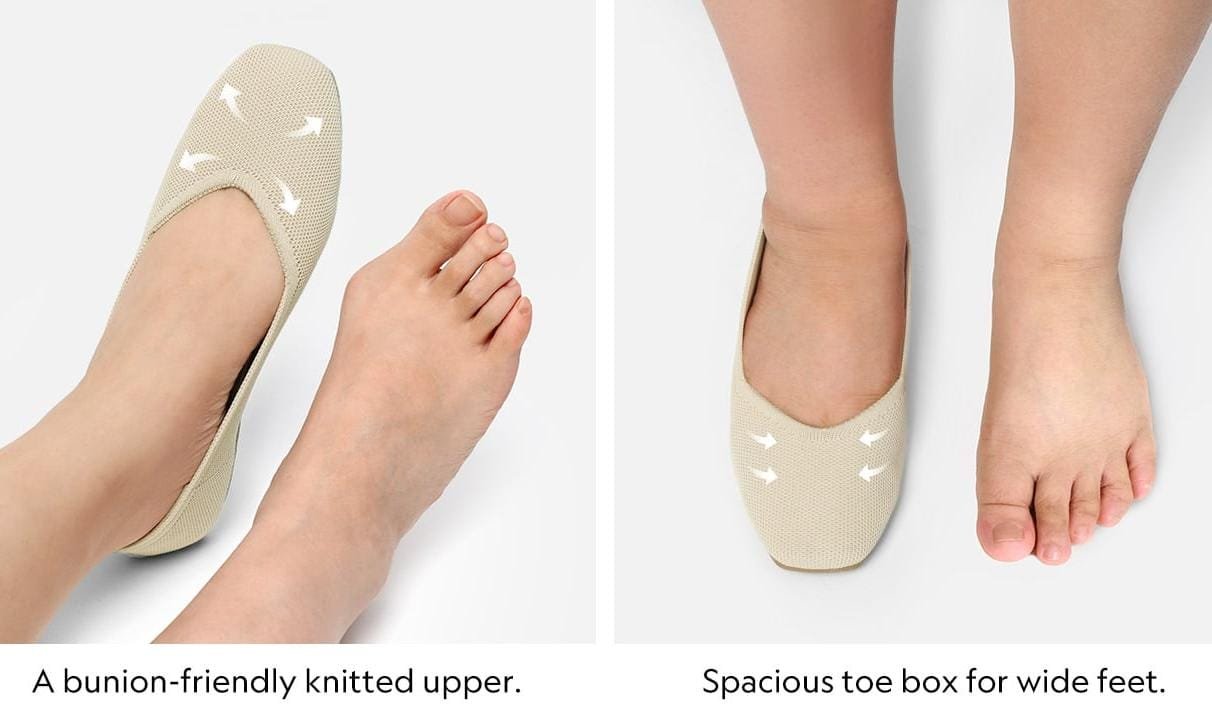
One of the most important features is sufficient space around the toes.
A narrow shoe can squeeze the toes and create unnecessary pressure.
A comfortable toe box should allow your toes to sit naturally without being compressed from the sides.
What to Check
When trying on shoes:
- Your toes should not overlap because of shoe pressure.
- Your longest toe should not constantly touch the front.
- The upper should not press tightly against the top of your toes.
- The sides of the forefoot should not feel squeezed.
Extra room should not mean that the shoe is excessively large. Your foot should still remain secure inside the shoe.
2. Extra Depth
Some people benefit from shoes with additional vertical space inside.
Extra-depth footwear can be useful when the foot requires more room because of its shape, swelling, or certain inserts.
It can also help prevent the upper part of the shoe from pressing directly against the toes.
Why Depth Matters
A shoe may have adequate length and width but still feel tight because it lacks enough internal height.
Therefore, when shopping for footwear, consider:
Length + Width + Depth = Overall Fit
All three dimensions matter.
3. Soft and Comfortable Interior
A rough seam or hard edge inside a shoe can cause friction.
People with sensitive feet may prefer footwear with a smooth interior and minimal irritating seams.
Look for:
- 🧦 Smooth lining
- 🧩 Soft interior materials
- 🚫 Minimal rough stitching
- 👣 Comfortable insole
- 🔍 No sharp or hard internal edges
Before wearing new shoes for a long period, inspect the inside with your hands to identify anything that could potentially rub against the skin.
4. Appropriate Cushioning
Cushioning can make walking more comfortable by providing a softer interface between the foot and the ground.
However, more cushioning is not automatically better.
The shoe should provide a balance between:
- Comfort
- Stability
- Support
- Shock absorption
An extremely soft shoe may feel comfortable initially but may not provide the stability that every person needs.
5. Stable Outsole
A stable sole can help create a secure platform while walking.
For everyday use, look for an outsole that provides suitable traction and stability for the surfaces where you normally walk.
Consider the environments where the shoes will be used:
- 🏠 Indoor floors
- 🛣️ Pavements
- 🏢 Workplace floors
- 🌳 Outdoor walking areas
The sole should be appropriate for your normal activities.
6. Adjustable Closures
Adjustable footwear can be particularly useful when feet change in volume during the day.
Common closure systems include:
- Velcro straps
- Adjustable buckles
- Laces
- Elastic systems
Adjustability can make it easier to achieve a secure fit without creating excessive pressure.
For some people, easy-to-use Velcro closures may be more convenient than traditional laces.
7. Breathable Materials
Feet can become warm and sweaty inside shoes, particularly during extended wear.
Breathable materials can help improve comfort by allowing better airflow.
Look for footwear designed with materials that suit your climate and daily activities.
However, breathability alone does not make a shoe suitable for diabetes. Fit, protection, and comfort remain essential.
8. Removable Insoles
Some medicated shoes have removable insoles.
This can be useful if you need to use a particular insert recommended by a qualified professional.
Before replacing an insole, make sure the new insert does not make the shoe too tight.
9. Lightweight Construction
Heavy shoes can feel tiring during long periods of walking.
A lightweight design may improve everyday comfort, especially for people who walk frequently.
However, do not sacrifice stability and protection simply to reduce weight.
The best shoe offers a sensible balance.
10. Correct Size and Width
Correct sizing is essential.
Do not assume that your usual shoe size will fit every brand or design.
Two shoes labeled with the same size can feel very different because their shapes and manufacturing specifications may vary.
Always check the manufacturer’s sizing information where available.
How Diabetes Can Affect Foot Comfort
Diabetes can affect the feet in ways that make footwear selection particularly important.
One concern is diabetic peripheral neuropathy, a type of nerve damage that can cause changes in sensation.
A person with reduced sensation may not immediately notice:
- Pressure from a tight shoe
- A developing blister
- Rubbing against the heel
- A small object inside the shoe
- Excessive heat
- Other sources of irritation
This is one reason regular foot inspection can be important for people with diabetes.
Why Reduced Sensation Can Be a Problem
Imagine a shoe is rubbing against one area of the foot.
Someone with normal sensation may notice discomfort and remove the shoe.
A person with reduced sensation may not notice the same pressure.
Therefore, footwear should be checked carefully, and feet should be inspected regularly.
How to Check Your Feet Before and After Wearing Shoes
Foot inspection is an important part of general diabetic foot care.
Before Putting on Your Shoes
Take a quick look at your feet and check for:
- 🔴 Red areas
- 🩹 Blisters
- 💧 Moist or damaged skin
- 🟤 Discoloration
- ⚠️ Cuts or cracks
- 🦶 Swelling
- Any unusual change
Also check the inside of your shoes.
Make sure there are no:
- Small stones
- Debris
- Folded insoles
- Rough objects
- Damaged internal areas
After Wearing Your Shoes
Inspect your feet again, particularly if you have reduced sensation.
Look for areas of persistent redness, rubbing, or pressure.
If you notice a problem that concerns you, don’t simply continue wearing the same shoes and hope it disappears.
How Should Diabetic Shoes Fit?
A good fit is one of the most important characteristics of diabetic-friendly footwear.
Your shoe should be:
Secure — but not tight.
Roomy — but not excessively loose.
Supportive — but not painfully rigid.
The Toe Test
Your toes should have enough room to move naturally.
There should be space between your longest toe and the front of the shoe.
The exact amount of space can vary depending on the shoe design and your foot, so the goal is not to follow a single measurement blindly. The shoe should feel comfortable without your toes hitting the front.
The Width Test
The widest part of your foot should fit comfortably within the shoe.
If you see your foot bulging over the edges of the sole or feel strong pressure on the sides, consider a wider design.
The Heel Test
Your heel should remain reasonably secure when walking.
Some minor movement can occur in footwear, but excessive slipping may lead to rubbing and instability.
When Is the Best Time to Buy Diabetic Shoes?
Feet can change size slightly during the day.
For many people, trying on shoes later in the day can provide a more realistic indication of how the footwear feels when feet are at their larger daily size.
When trying shoes:
- Wear the socks you normally use.
- Try both shoes.
- Stand up.
- Walk around.
- Check the toe area.
- Check the width.
- Check your heel.
- Look for pressure points.
Never judge the fit solely while sitting.
Choosing Socks for Sensitive Feet
Shoes are only one part of comfortable foot care.
The socks you wear can also influence friction and moisture.
Look for socks that:
- 🧦 Fit comfortably
- 🚫 Do not create excessive pressure
- 🌬️ Manage moisture appropriately
- 🧵 Have comfortable seams
- 👣 Are suitable for your daily activity
Avoid socks that are so tight that they leave deep marks on your skin.
If you have specific medical needs, ask your healthcare professional about suitable sock choices.
Medicated Shoes for Swollen Feet
Some people experience changes in foot size or swelling throughout the day.
If this applies to you, adjustable footwear may be useful because it can provide more flexibility in fit.
Features to Consider
- Wide construction
- Adjustable straps
- Extra depth
- Flexible upper
- Removable insole
- Comfortable opening
However, unexplained or significant foot swelling should not simply be solved by buying larger shoes.
Persistent or sudden swelling may require medical evaluation.
Medicated Shoes for Sensitive Skin
Sensitive skin can be more vulnerable to irritation from friction.
When choosing footwear, inspect the inside carefully.
Look for a Smooth Interior
A comfortable lining can reduce unnecessary irritation.
Avoid Unnecessary Pressure
A shoe should not press hard against prominent areas.
Choose the Right Size
Even soft materials can cause problems if the shoe is too small.
Introduce New Shoes Gradually
Wear new shoes for shorter periods initially and check your feet afterward.
If a particular area repeatedly becomes irritated, reconsider the shoe’s fit.
What Types of Shoes Should People With Diabetes Avoid?
There is no single list of footwear that every person with diabetes must avoid, because individual needs vary.
However, poorly fitting footwear is generally something to be cautious about.
Be careful with shoes that:
- ❌ Squeeze the toes
- ❌ Create obvious pressure points
- ❌ Rub the heel
- ❌ Have rough internal seams
- ❌ Are too loose and cause excessive movement
- ❌ Have damaged insoles
- ❌ Have worn-out soles
- ❌ Do not provide enough protection for your activity
Very narrow fashion shoes may look attractive but may not be appropriate if they create significant pressure.
Common Mistakes When Buying Medicated Shoes
Mistake #1: Buying Only by Shoe Size
A size number does not tell the whole story.
Width, depth, shape, and construction are also important.
Mistake #2: Choosing the Softest Shoe
Softness is not the same as support.
The shoe should offer an appropriate combination of cushioning and stability.
Mistake #3: Ignoring Small Irritations
For people with reduced sensation, it is particularly important to take changes in the skin seriously.
Don’t assume that repeated rubbing is harmless.
Mistake #4: Wearing New Shoes for Hours Immediately
Give your feet time to adapt to new footwear and check for pressure points.
Mistake #5: Ignoring the Inside of the Shoe
A small object, rough seam, or damaged insole can create unnecessary pressure.
Always inspect the inside before putting your shoes on.
Mistake #6: Buying Without Checking the Return Policy
When shopping online, check whether the seller allows returns or exchanges if the size or fit is unsuitable.
How to Buy Medicated Shoes Online
Online shopping makes it easier to compare different styles, but footwear requires careful evaluation.
Before ordering, review:
Product Specifications
Look for information about:
- Material
- Sole
- Insole
- Width
- Available sizes
- Closure
- Cushioning
- Shoe depth
Size Guide
Use the manufacturer’s size chart whenever possible.
If foot measurements are provided, compare your measurements with the chart rather than relying only on your usual size.
Return and Exchange Policy
A clear return policy can be valuable because fit is difficult to judge before trying shoes on.
Customer Reviews
Reviews may provide useful information about:
- Sizing
- Width
- Comfort
- Durability
- Overall fit
But remember that everyone’s feet are different.
How to Care for Diabetic-Friendly Shoes
Proper footwear maintenance can help keep your shoes comfortable.
Keep Shoes Clean
Follow the manufacturer’s cleaning instructions.
Avoid cleaning methods that could damage the materials.
Keep Shoes Dry
If shoes become wet, allow them to dry properly before wearing them again.
Inspect the Insoles
Check the insole regularly for:
- Cracks
- Uneven wear
- Folding
- Damage
Inspect the Sole
A worn outsole may reduce traction and stability.
Replace footwear when it is no longer providing appropriate protection or comfort.
When Should You Replace Medicated Shoes?
Even high-quality footwear eventually wears out.
Consider replacing your shoes when you notice:
- 🛑 Significant sole wear
- 🛑 Flattened or damaged cushioning
- 🛑 Torn upper material
- 🛑 Damaged interior lining
- 🛑 A deformed shoe shape
- 🛑 Persistent discomfort that was not present before
There is no universal replacement schedule because durability depends on the shoe, frequency of use, walking surfaces, and individual wear patterns.
Regular inspection is more useful than relying on a specific number of months.
Should People With Diabetes Wear Shoes Indoors?
This depends on the person’s individual circumstances and healthcare advice.
People with reduced sensation may be at greater risk of not noticing an injury caused by stepping on an object.
For this reason, appropriate protective footwear may be recommended in certain situations.
If you have diabetes-related foot problems or reduced sensation, discuss your indoor and outdoor footwear needs with your healthcare professional.
When Should You Speak to a Healthcare Professional?
Medicated shoes can support comfort, but they are not a substitute for professional medical care.
Contact a healthcare professional if you notice concerning changes such as:
- ⚠️ A wound or ulcer
- ⚠️ Significant redness
- ⚠️ Persistent swelling
- ⚠️ New or worsening pain
- ⚠️ Numbness or major changes in sensation
- ⚠️ Signs of infection
- ⚠️ Skin discoloration
- ⚠️ A foot injury
People with diabetes should take foot problems seriously, especially if healing appears delayed or sensation is reduced.
Quick Checklist for Buying Medicated Shoes for Diabetes
Before purchasing, ask yourself:
👣 Fit
- Is the shoe wide enough?
- Is there enough toe room?
- Does my heel stay secure?
- Is there enough depth?
🛋️ Comfort
- Does it have appropriate cushioning?
- Does the interior feel smooth?
- Are there any pressure points?
🛡️ Protection
- Does the shoe protect my feet appropriately?
- Is the sole stable?
- Is the outsole suitable for where I will use it?
📏 Sizing
- Did I check the manufacturer’s size chart?
- Did I try both shoes?
- Did I test them while standing and walking?
🔍 Maintenance
- Can I inspect and clean the shoe easily?
- Is the insole removable?
- Is the material durable enough for my routine?
Frequently Asked Questions
What are the best medicated shoes for diabetes?
The best shoes depend on the individual’s foot shape and needs. In general, look for appropriate width, adequate toe room, comfortable cushioning, a smooth interior, a secure fit, and suitable stability.
Are medicated shoes good for diabetic feet?
Properly designed and well-fitting footwear may help protect the feet from unnecessary pressure and improve comfort. However, footwear should be selected according to individual needs, particularly when complications such as neuropathy or foot deformities are present.
Should diabetic shoes be loose?
No. Diabetic-friendly shoes should generally be secure without being tight. Shoes that are excessively loose may allow too much movement and create friction.
Should diabetic shoes be wide?
A sufficiently wide toe area can be beneficial when it matches the person’s foot shape. The shoe should not squeeze the forefoot or toes.
Can I wear regular shoes if I have diabetes?
Some people with diabetes can wear conventional shoes if they fit properly and meet their individual foot-care needs. People with neuropathy, deformities, ulcers, or other complications may require specialized footwear and should follow professional advice.
How often should I check my feet?
People with diabetes are generally encouraged to make foot inspection part of their regular self-care routine. If you have specific complications or risk factors, follow the foot-care schedule recommended by your healthcare professional.
Can medicated shoes prevent diabetic foot ulcers?
Appropriately designed footwear may help reduce certain sources of pressure and friction, but no shoe can guarantee prevention of ulcers. Proper diabetes management, foot inspection, professional care, and suitable footwear all matter.
Are Velcro diabetic shoes better than lace-up shoes?
Neither closure is automatically better. Velcro can make adjustment easier, while laces can provide precise fitting. The better option is the one that allows you to achieve a comfortable and secure fit.
Can I use custom insoles with medicated shoes?
Some medicated shoes are designed to accommodate removable insoles. If you have been prescribed or advised to use a specific insert, make sure the shoe has enough room and is compatible with it.
Final Thoughts
Choosing the best medicated shoes for diabetes and sensitive feet requires more than selecting a shoe with a medical-sounding label.
The most important factors are proper fit, sufficient toe room, appropriate width and depth, comfortable cushioning, a smooth interior, secure heel support, and suitable protection.
For people with diabetes, regular foot care is equally important. Check your feet, inspect the inside of your shoes, pay attention to changes in your skin, and avoid footwear that creates repeated pressure or rubbing.
A useful rule to remember is:
Comfort should never come at the cost of fit, and support should never come at the cost of painful pressure.
If you have reduced sensation, foot deformities, ulcers, significant swelling, persistent pain, or other diabetes-related foot problems, speak with a qualified healthcare professional before choosing specialized footwear.
The right pair of shoes can be a valuable part of a sensible foot-care routine—but the best choice is always the one that suits your individual feet and your specific needs.