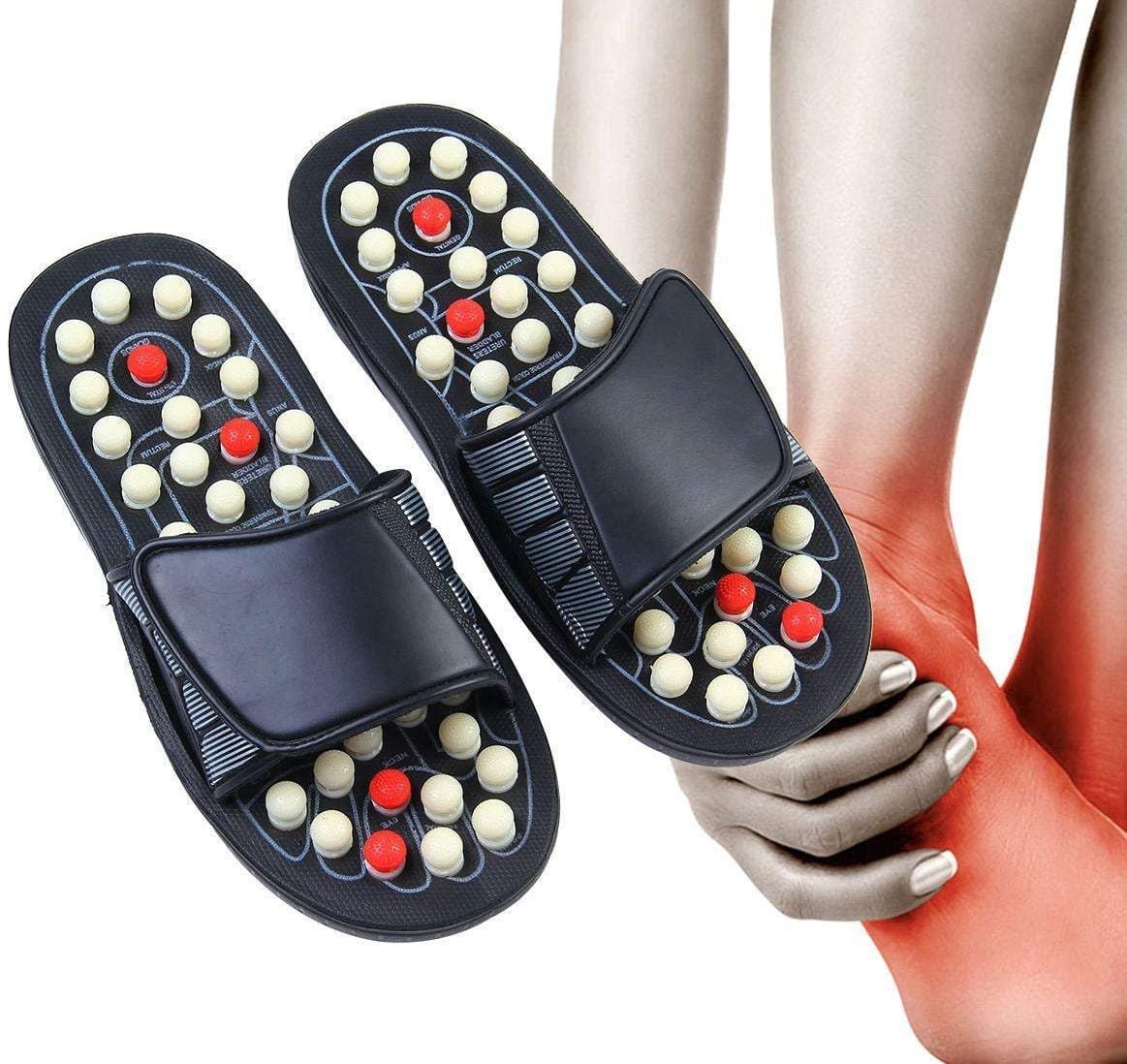
Foot pain can make even simple daily activities feel uncomfortable. Walking to work, standing for long hours, shopping, exercising, or simply moving around the house can become difficult when your feet are constantly sore or tired.
One of the simplest ways to improve everyday walking comfort is to choose footwear that provides appropriate support, cushioning, stability, and enough room for your feet. Medicated shoes are designed with these comfort and support features in mind and can be useful for people who experience different types of foot discomfort.
However, choosing the right pair is not simply about buying the most expensive shoes or looking for the word “medicated” on a product label. The right footwear should match your foot shape, activity level, fit requirements, and specific comfort needs.
In this guide, we will explain what medicated shoes are, how they can support comfortable walking, which features to look for, and how to choose the right pair for your everyday needs.
What Are Medicated Shoes?
Medicated shoes are specially designed footwear intended to provide enhanced comfort, cushioning, support, stability, and pressure distribution compared with many conventional shoes.
Depending on the design, they may include features such as:
- 👣 Extra cushioning
- 🦶 Arch support
- 🛡️ Shock-absorbing soles
- 📏 Roomier toe boxes
- ⚖️ Stable midsoles
- 🔄 Flexible outsoles
- 🧩 Removable insoles
- 👟 Adjustable straps or closures
- 🌬️ Breathable materials
The exact features vary from one shoe to another. Therefore, “medicated” does not automatically mean that every pair is suitable for every type of foot problem.
A good pair should feel comfortable when you walk and should fit your feet properly without creating unnecessary pressure.
Why Does Proper Footwear Matter for Foot Pain?
Your feet absorb a significant amount of the forces generated when you stand and walk. Every step involves contact between your foot and the ground, and your footwear can influence how those forces are distributed.
Poorly fitting shoes may contribute to discomfort by creating:
- Excessive pressure on certain areas
- Friction and rubbing
- Crowding around the toes
- Lack of adequate support
- Insufficient cushioning
- Instability while walking
On the other hand, footwear with an appropriate fit and suitable support can make everyday walking more comfortable.
The Importance of Comfort
Comfort should be one of the first things you consider when choosing medicated shoes.
A shoe should not require a long “break-in” period in which your feet experience significant pain. While some footwear may feel slightly different when new, persistent rubbing, pinching, or pressure is a sign that the fit may not be right.
The Importance of Support
Supportive footwear can help provide a more stable platform for your feet.
Depending on your individual needs, useful support features may include:
- A supportive midsole
- Appropriate arch structure
- A stable heel area
- A secure closure system
- A well-designed outsole
The goal is not necessarily to find the stiffest shoe possible. The goal is to find a shoe that provides the right balance of support and comfortable movement.
Key Features to Look for in Medicated Shoes
If you are shopping for medicated shoes for foot pain, pay attention to the following features.
1. Adequate Cushioning
Cushioning is one of the most noticeable features in comfortable walking footwear.
A cushioned midsole can make walking feel softer by helping absorb some of the impact associated with each step.
Look for footwear that offers comfortable cushioning without making your feet feel unstable.
What Should Good Cushioning Feel Like?
Ideally, cushioning should feel:
- Soft but supportive
- Comfortable during walking
- Stable under the heel
- Appropriate for your body weight and activity
- Consistent throughout the shoe
Too little cushioning may feel hard and uncomfortable, while an excessively soft or unstable sole may not provide the stability you need.
2. Good Arch Support
Arch support is another important consideration, especially for people who experience discomfort associated with their foot structure.
The arch of the foot helps distribute forces during standing and walking. Different people have different arch shapes, so there is no single type of arch support that works for everyone.
Who May Consider Arch Support?
People who experience:
- Arch discomfort
- General foot fatigue
- Certain forms of overpronation
- Discomfort associated with flat feet
may want to pay particular attention to the design of the shoe’s insole and midsole.
However, arch support should feel comfortable rather than painful. A prominent support point that presses directly into your foot may not be suitable for you.
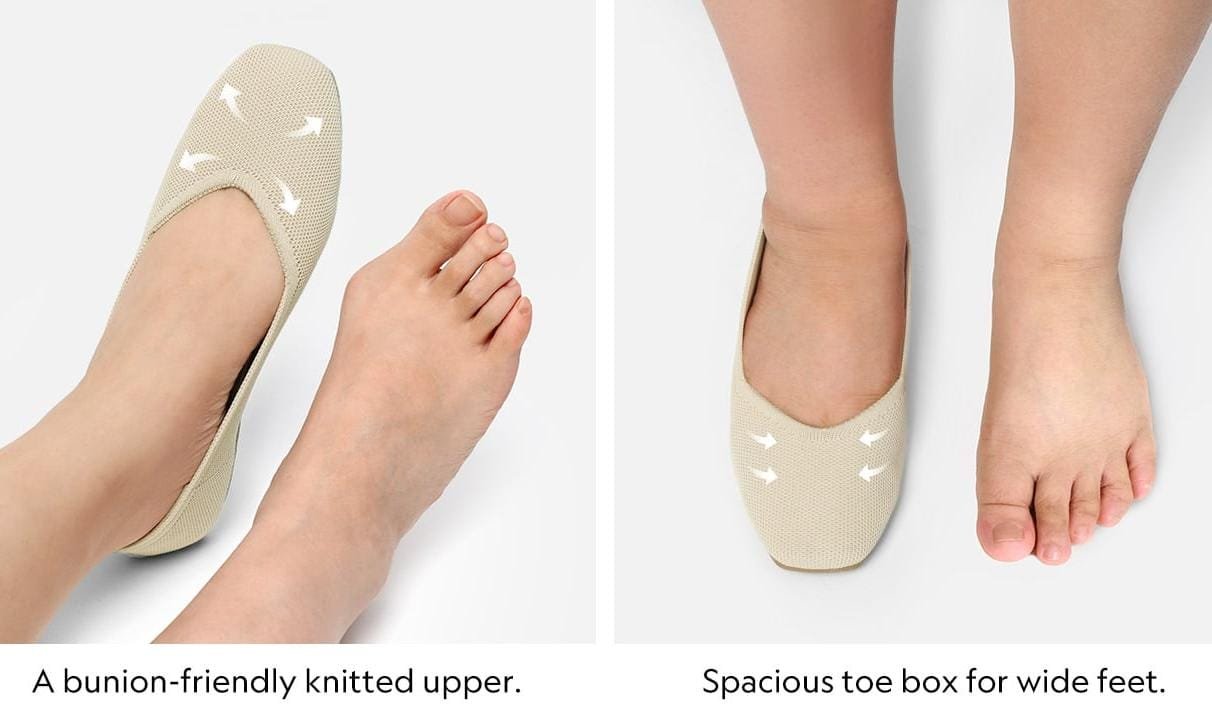
3. Wide and Comfortable Toe Box
Your toes need enough space to move naturally.
A narrow toe box can squeeze the toes together and may create pressure, rubbing, or discomfort.
When trying medicated shoes, check that:
- 👣 Your toes are not pressed against each other.
- 📏 Your longest toe has sufficient space in front.
- ↔️ The sides of your feet are not being squeezed.
- 🦶 Your foot does not spill over the edge of the shoe’s sole.
People with wider feet may benefit from shoes specifically available in wider widths.
4. Proper Heel Stability
A secure heel can help prevent excessive movement inside the shoe.
If your heel repeatedly slides up and down while walking, the shoe may not fit properly or may not have the right closure and heel structure for your foot.
A good heel area should hold your foot securely without digging into the skin.
5. Shock-Absorbing Sole
Walking on hard surfaces for several hours can be uncomfortable, particularly if your footwear has a very hard or minimal sole.
A well-designed sole can provide a more comfortable walking experience by combining cushioning with stability.
Look for a sole that is:
- Durable
- Stable
- Comfortable
- Flexible enough for natural movement
- Appropriate for the surfaces where you normally walk
6. Removable Insoles
Removable insoles can be especially useful because they allow you to replace the original insert with another suitable insole if necessary.
This can be helpful for people who have been advised by a qualified professional to use a particular type of insert.
Before replacing an insole, make sure the replacement is compatible with the shoe and does not make the shoe too tight.
Best Medicated Shoes for Different Types of Foot Discomfort
Not every person experiences foot pain in the same way. Your footwear needs can therefore vary.
Medicated Shoes for General Foot Pain
If you experience general foot discomfort after walking or standing, prioritize:
- Comfortable cushioning
- Good overall fit
- Adequate support
- Lightweight construction
- Breathable materials
- A stable sole
Avoid shoes that feel tight or create pressure points.
Medicated Shoes for Heel Discomfort
For people experiencing heel discomfort, cushioning and comfortable heel support may be important considerations.
A cushioned heel area can make walking more comfortable, particularly on hard surfaces.
However, persistent or severe heel pain should not automatically be treated as a footwear problem. Conditions such as plantar fasciitis and other causes of heel pain may require professional assessment.
Medicated Shoes for Flat Feet
People with flatter arches may want to pay more attention to:
- Arch structure
- Midsole stability
- Foot alignment
- Overall comfort
- Appropriate width
There is no universal “best” shoe for everyone with flat feet. The most suitable option depends on the individual’s foot shape, symptoms, activity, and preferences.
Medicated Shoes for Wide Feet
If you have wide feet, selecting the correct width is particularly important.
A shoe can have the correct length but still be too narrow.
Look for:
- Wide-width options
- Roomy toe boxes
- Adjustable closures
- Flexible upper materials
- Minimal pressure around the forefoot
Do not rely solely on shoe size numbers because sizing can vary between brands and designs.
Medicated Shoes for Daily Walking
If you walk regularly, your shoes should be selected according to your normal routine.
For example, someone who walks for 20 minutes each day may have different requirements from someone who spends eight hours standing at work.
For Short Daily Walks
Consider:
- Lightweight construction
- Comfortable cushioning
- Secure fit
- Breathable upper
- Flexible sole
For Long Walks
For longer walks, pay extra attention to:
- Cushioning
- Stability
- Heel comfort
- Moisture management
- Proper sizing
- Overall weight
The longer you wear your shoes, the more important a good fit becomes.
How to Choose the Right Size
Finding the right size is one of the most important steps when buying medicated shoes.
A shoe that provides excellent cushioning is still a poor choice if it is too small.
Measure Your Feet
Feet can change in size and shape over time. It can therefore be useful to measure your feet when purchasing new footwear.
For a more realistic fit:
- Measure both feet.
- Measure toward the end of the day when your feet may be slightly larger.
- Wear the socks you normally use with the shoes.
- Compare your measurements with the manufacturer’s sizing chart.
- Choose the size and width that provide an appropriate fit.
If one foot is larger than the other, make sure the shoes comfortably accommodate the larger foot.
How Should Medicated Shoes Fit?
A properly fitting shoe should feel secure without being restrictive.
Check the Toe Area
There should be enough room for your toes to move without hitting the front of the shoe.
Check the Width
Your feet should not feel squeezed from the sides.
Check the Heel
Your heel should remain reasonably secure without excessive slipping.
Walk Around
Never judge a shoe only while sitting.
Walk around and pay attention to:
- Heel movement
- Toe pressure
- Arch comfort
- Side pressure
- Sole flexibility
- Overall stability
If something feels painful or unusually uncomfortable, do not assume that you simply need to “get used to it.”
Common Mistakes When Buying Medicated Shoes
Many people make avoidable mistakes when choosing supportive footwear.
❌ Choosing Shoes Only by Appearance
A stylish shoe may look great but still be uncomfortable.
Appearance should be considered, but fit and comfort should come first.
❌ Buying the Wrong Size
Buying a size that is too small can create pressure and friction.
Buying a shoe that is too large can cause excessive movement and instability.
❌ Ignoring Width
Length is only one part of shoe fit. Width is equally important for many people.
❌ Assuming Expensive Means Better
Price does not automatically determine whether a shoe is suitable for your feet.
A more expensive shoe is not necessarily the right shoe for you.
❌ Ignoring Your Walking Environment
A shoe designed for casual indoor use may not be ideal for long outdoor walks.
Think about where you will use the shoes before purchasing them.
Medicated Shoes for Men and Women
Medicated and supportive footwear is available in many designs for both men and women.
The basic principles remain similar:
- Correct fit
- Comfortable cushioning
- Suitable support
- Appropriate width
- Stable sole
- Breathable construction
However, individual foot shapes differ significantly, so choosing footwear based solely on gender is not enough.
Your personal foot shape and comfort requirements should be the priority.
Are Medicated Shoes a Treatment for Foot Pain?
This is an important question.
Medicated shoes can provide comfort and support, but they should not automatically be considered a medical treatment or cure for an underlying condition.
Foot pain can have many possible causes, including:
- Overuse
- Poorly fitting footwear
- Injuries
- Plantar fasciitis
- Arthritis
- Nerve-related problems
- Structural foot differences
- Other medical conditions
If pain is persistent, severe, worsening, or associated with swelling, numbness, weakness, wounds, or difficulty walking, it is important to seek advice from a qualified healthcare professional.
When Should You Seek Professional Advice?
Consider professional evaluation if:
- ⚠️ Pain continues despite changing footwear.
- ⚠️ Pain is severe or suddenly develops.
- ⚠️ You have significant swelling.
- ⚠️ You experience numbness or tingling.
- ⚠️ You have an injury.
- ⚠️ You have a wound that is not healing.
- ⚠️ Walking becomes increasingly difficult.
The right footwear can be part of a broader approach to foot comfort, but it should not replace appropriate medical care when needed.
How to Break In New Medicated Shoes
Even comfortable footwear may feel different when you first start wearing it.
Instead of wearing a new pair for an entire day immediately, consider introducing them gradually.
A Simple Approach
Day 1: Wear them for a short period indoors.
Day 2: Increase the wearing time if they remain comfortable.
Day 3 onward: Gradually use them for longer periods.
During this process, check your feet for areas of rubbing or pressure.
If the shoes consistently cause pain, blisters, or pressure points, reconsider the fit rather than forcing yourself to continue wearing them.
How to Keep Your Medicated Shoes Comfortable
Taking care of your footwear can help maintain its performance and comfort.
🧼 Keep Them Clean
Clean your shoes according to the manufacturer’s instructions.
🌬️ Allow Them to Dry
If your shoes become wet or sweaty, allow them to dry properly before wearing them again.
👟 Rotate Footwear
If possible, having more than one suitable pair can allow each pair to air out between uses.
🔍 Check for Wear
Inspect the sole and cushioning periodically.
If the tread becomes significantly worn or the cushioning and structure deteriorate, it may be time to replace the shoes.
What Makes a Good Medicated Shoe for Walking?
A good walking shoe should provide a balance between comfort, support, flexibility, and stability.
Here is a quick checklist:
| Feature | Why It Matters |
|---|---|
| 👣 Comfortable fit | Helps reduce unnecessary pressure |
| 🧩 Supportive insole | Provides a stable base |
| 🛋️ Cushioning | Improves walking comfort |
| ↔️ Appropriate width | Helps prevent squeezing |
| 🛡️ Stable heel | Helps keep the foot secure |
| 🔄 Flexible sole | Supports comfortable movement |
| 🌬️ Breathable material | Helps manage moisture |
| 📏 Correct size | Helps prevent pressure and slipping |
Tips for Buying Medicated Shoes Online
Buying footwear online can be convenient, but you need to pay close attention to product information.
Before Ordering
Check:
- 📏 The manufacturer’s size chart
- ↔️ Available width options
- 👣 Insole and cushioning details
- 🛡️ Sole construction
- 🔄 Return or exchange policy
- 🧼 Care instructions
- ⭐ Verified customer reviews where available
Do not assume that your usual shoe size will be identical across every brand.
Read Reviews Carefully
Customer reviews can provide useful information about sizing and comfort, but remember that everyone’s feet are different.
One person may describe a shoe as wide while another may find it narrow.
Use reviews as additional information rather than as a substitute for checking the actual measurements.
Frequently Asked Questions About Medicated Shoes
Are medicated shoes good for foot pain?
Medicated shoes with appropriate cushioning, support, and fit may improve walking comfort for some people experiencing foot discomfort. However, their suitability depends on the cause of the pain and the individual’s foot shape.
Can I wear medicated shoes every day?
Many supportive shoes are designed for regular everyday use. The important factors are proper fit, comfort, appropriate construction, and the activities for which the shoes are designed.
Are medicated shoes suitable for walking?
Yes, many medicated shoes are designed with walking comfort in mind. Look for appropriate cushioning, stability, flexibility, and a secure fit.
Are medicated shoes good for standing all day?
Supportive and well-cushioned footwear may be more comfortable for people who spend long periods standing. However, the correct choice depends on your feet, workplace conditions, and individual needs.
How do I know if my medicated shoes fit correctly?
Your toes should have enough room, your feet should not be squeezed from the sides, and your heel should remain reasonably secure. Walk around in the shoes to identify any pressure or rubbing.
Can medicated shoes cure plantar fasciitis?
Footwear may help improve comfort for some people with plantar fasciitis, but it should not be described as a guaranteed cure. Persistent heel pain should be evaluated by an appropriate healthcare professional.
Should medicated shoes be tight?
No. Supportive footwear should feel secure without squeezing your feet. Excessive tightness can create unnecessary pressure and discomfort.
Are expensive medicated shoes always better?
Not necessarily. The most important factors are fit, comfort, construction, support, and whether the shoe meets your individual needs.
Final Thoughts
Choosing the best medicated shoes for foot pain starts with understanding your own feet.
Rather than focusing only on the appearance or price of a shoe, look for the features that can make everyday walking more comfortable:
- 👣 Proper fit
- 🛋️ Comfortable cushioning
- 🦶 Appropriate arch support
- ↔️ Sufficient width
- 🛡️ Stable heel construction
- 🔄 Suitable flexibility
- 🌬️ Breathable materials
- 📏 Correct size
Remember that there is no single pair of medicated shoes that is perfect for everyone. A shoe that works well for one person’s foot shape or walking routine may not be ideal for another.
If you experience ongoing or significant foot pain, choosing comfortable footwear is only one part of the solution. Identifying the underlying cause with help from a qualified healthcare professional may be important.
The best footwear is ultimately the pair that fits your feet properly, feels comfortable during your normal activities, provides the support you actually need, and allows you to walk with confidence and comfort.