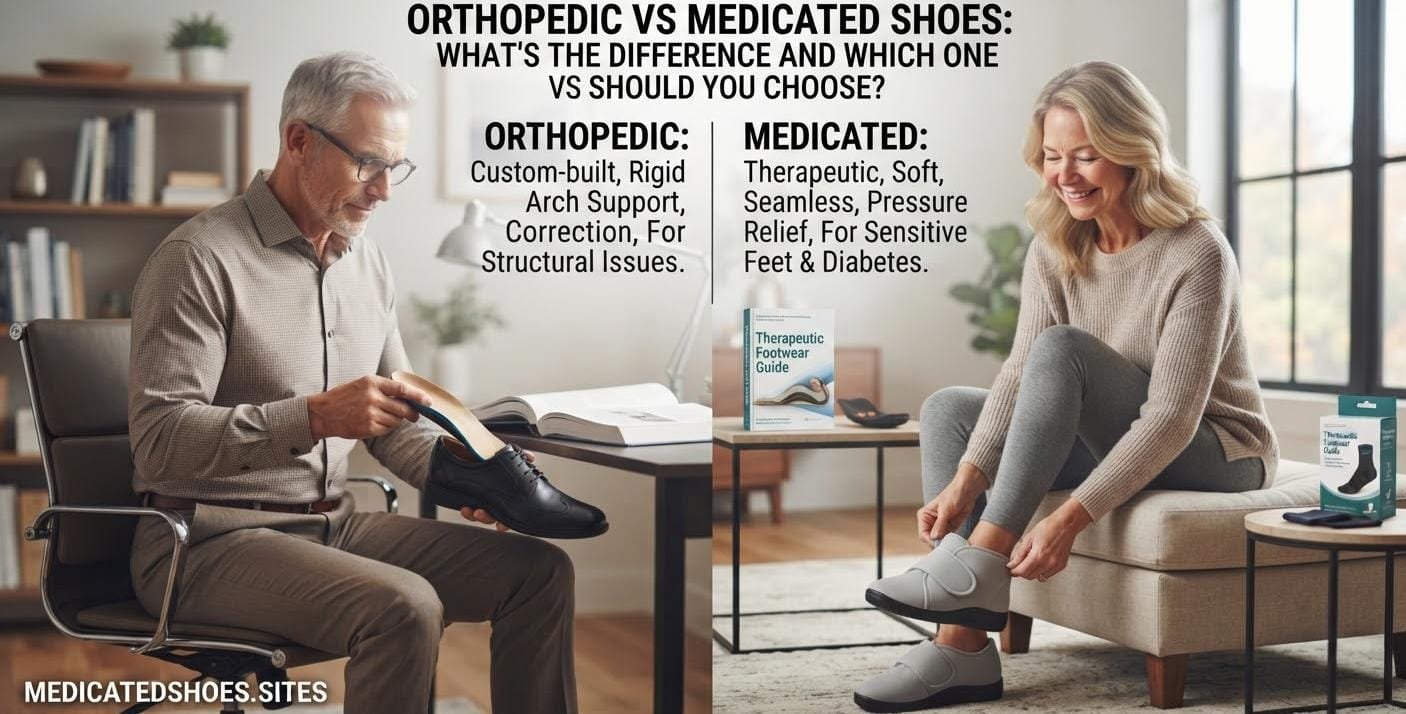
Choosing the right footwear can be confusing, especially when you see terms such as medicated shoes, orthopedic shoes, diabetic shoes, supportive shoes, comfort shoes, and therapeutic footwear used interchangeably.
At first glance, these shoes may appear very similar. Many of them offer cushioning, support, roomy designs, comfortable insoles, and stable soles. However, the terms can have different meanings depending on the manufacturer, product design, and the individual needs for which the footwear is being recommended.
If you are experiencing foot discomfort, have sensitive feet, spend long hours standing, or simply want more supportive everyday footwear, understanding the difference can help you make a better decision.
The important thing to remember is that the name printed on the shoe box does not determine whether a shoe is right for you. Fit, comfort, support, construction, and your individual foot requirements matter more than the label.
In this guide, we will compare orthopedic and medicated shoes, explain their common features, discuss who may benefit from each type, and provide practical tips for choosing the right footwear.
What Are Medicated Shoes?
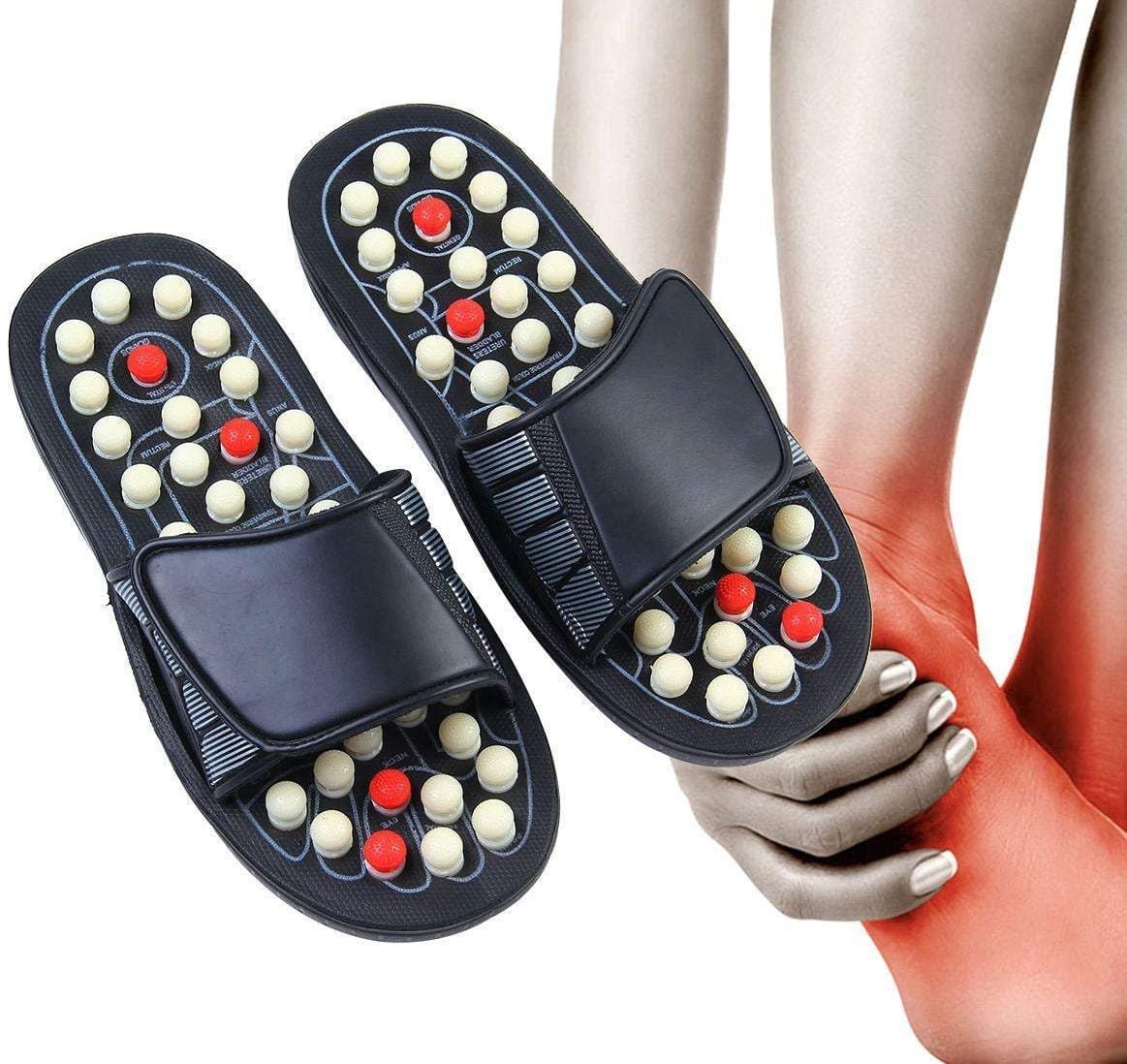
Medicated shoes are generally designed with enhanced comfort and support features compared with many conventional shoes.
Depending on the product, these shoes may include:
- 👣 Extra cushioning
- 🦶 Arch support
- 🛋️ Comfortable footbeds
- ↔️ Wider toe boxes
- 🧩 Removable insoles
- 🛡️ Stable soles
- 📏 Extra depth
- 🔄 Flexible construction
- 🎯 Pressure-reducing design
- 👟 Adjustable closures
The exact features can vary considerably.
The term “medicated” is not a guarantee that a particular shoe is medically appropriate for every foot condition. A shoe should be evaluated based on its actual design and whether it suits the person’s needs.
What Are Orthopedic Shoes?
Orthopedic shoes are generally designed to address particular foot structure, comfort, support, or movement-related needs.
Some orthopedic footwear is designed for people who have:
- Specific foot deformities
- Uneven foot shapes
- Certain structural issues
- Difficulty finding a comfortable standard shoe
- A need for specialized inserts
- Particular support requirements
Orthopedic footwear can range from relatively conventional-looking supportive shoes to highly specialized designs.
Orthopedic Does Not Always Mean Uncomfortable
Older ideas about orthopedic shoes sometimes involve bulky or unattractive footwear.
Modern orthopedic footwear can be available in many styles, including:
- Casual shoes
- Walking shoes
- Work shoes
- Sandals
- Athletic-style footwear
- Formal designs
The appearance depends on the manufacturer and product.
Medicated Shoes vs Orthopedic Shoes: The Basic Difference
The easiest way to understand the difference is to look at the purpose and degree of specialization.
Medicated shoes are often marketed toward general foot comfort and support.
Orthopedic shoes may be more specifically designed for particular foot-related needs or structural requirements.
However, there is considerable overlap between the two categories.
A medicated shoe may contain orthopedic-style features, while an orthopedic shoe may also be marketed as medicated or therapeutic footwear.
Therefore, the terminology alone cannot tell you exactly how a shoe will perform.
Quick Comparison
| Feature | Medicated Shoes | Orthopedic Shoes |
|---|---|---|
| 👣 General comfort | Usually a major focus | Usually a major focus |
| 🦶 Support | Often included | Often more specialized |
| 🛋️ Cushioning | Common | Common |
| ↔️ Wide fit | Frequently available | Frequently available |
| 🧩 Removable insoles | Common in some designs | Common in many designs |
| 📏 Extra depth | Available in some models | More common in specialized models |
| 🎯 Specialized foot needs | Sometimes | Often a stronger focus |
| 👟 Everyday designs | Very common | Also available |
| 🩺 Professional recommendation | May or may not be needed | May be recommended for specific needs |
This table is a general guide rather than a strict rule. Individual products can differ significantly.
Why the Terminology Can Be Confusing
The footwear industry uses many different terms to describe supportive shoes.
You may see words such as:
- “Medicated”
- “Orthopedic”
- “Therapeutic”
- “Comfort”
- “Diabetic-friendly”
- “Supportive”
- “Arch support”
- “Foot health”
- “Walking support”
These terms do not necessarily have identical meanings.
One brand may call a shoe “medicated,” while another brand may describe a very similar product as an “orthopedic comfort shoe.”
That is why it is useful to look beyond marketing terminology.
Focus on the Actual Features
Instead of asking only:
“Is this an orthopedic shoe?”
also ask:
“What does this shoe actually provide?”
For example:
- Does it have enough width?
- Does it provide comfortable cushioning?
- Does it have appropriate arch support?
- Does it fit your heel securely?
- Is there enough toe room?
- Can it accommodate your insole?
- Is the sole stable?
- Is it suitable for your daily activity?
These questions are usually more useful than the label.
Key Features Both Types of Shoes May Have
There can be significant overlap between medicated and orthopedic footwear.
1. Arch Support
Both types may incorporate arch-supportive designs.
The purpose is to provide a more supportive base for the foot.
However, arch support should match your individual foot rather than simply being as prominent as possible.
Good Arch Support Should Feel Comfortable
You should not feel a sharp or painful pressure point underneath your arch.
If a shoe’s arch structure feels uncomfortable, try another design.
2. Cushioning
Comfortable cushioning is common in both medicated and orthopedic footwear.
Cushioning can help make walking and standing feel more comfortable.
But excessive softness is not always beneficial.
A good shoe should balance:
- 🛋️ Cushioning
- ⚖️ Stability
- 🦶 Support
- 🔄 Flexibility
3. Wide Toe Box
Many supportive shoes provide additional room around the toes.
A wider toe box can be particularly useful when a standard shoe feels restrictive.
Your toes should be able to rest naturally without being squeezed.
Why Toe Room Matters
Insufficient toe space may contribute to:
- Pressure
- Rubbing
- Discomfort
- Crowding
- Reduced walking comfort
The shoe should be wide enough for your feet without becoming excessively loose.
4. Removable Insoles
Many supportive footwear designs feature removable insoles.
This can be helpful when a person needs to use another compatible insert.
If you have been advised to use a particular orthotic or insole, check that the shoe has enough internal space to accommodate it.
5. Extra Depth
Some shoes offer additional depth inside the shoe.
This can be useful for people who need more vertical space because of:
- Foot shape
- Certain deformities
- Swelling
- Orthotic inserts
Not everyone needs extra-depth footwear, so it should be selected based on actual requirements.
Who May Consider Medicated Shoes?
Medicated footwear may appeal to people looking for enhanced everyday comfort.
For example, someone who experiences general foot fatigue after standing for long periods may look for shoes with:
- Comfortable cushioning
- Stable soles
- Arch support
- A wider fit
- Breathable materials
They may also be useful for people who simply find conventional shoes uncomfortable.
However, if you have a diagnosed foot condition, don’t assume that any medicated shoe will meet your specific needs.
Who May Consider Orthopedic Shoes?
Orthopedic footwear may be more appropriate for people who require specialized features.
Potential situations include:
- Significant differences in foot shape
- Certain structural deformities
- Specific pressure-distribution needs
- Difficulty fitting standard shoes
- Need for specialized inserts
- Professional recommendation for specialized footwear
If you have a significant foot problem, it may be beneficial to discuss footwear with a qualified healthcare professional.
Which Is Better: Medicated or Orthopedic Shoes?
There is no universal winner.
The better option depends on why you need supportive footwear.
Choose Based on Your Needs
If your main goal is everyday comfort, you might focus on:
- Cushioning
- Fit
- Width
- Support
- Breathability
If you have a specific structural or medical requirement, specialized orthopedic footwear may be more appropriate.
A Simple Rule
The best shoe is not the one with the most impressive name.
The best shoe is the one that fits correctly and provides the features your feet actually need.
How to Choose Between the Two
Ask yourself the following questions.
Question 1: Do I Have a Specific Foot Condition?
If you have a diagnosed condition, your footwear needs may be more specific.
In this situation, professional advice can be useful.
Question 2: Do Standard Shoes Fit Comfortably?
If regular footwear fits well and causes no problems, you may not need highly specialized footwear.
Question 3: Do I Need Extra Width or Depth?
If your feet are wider or require additional internal space, look for footwear specifically designed around those dimensions.
Question 4: Do I Use Orthotic Inserts?
If you use an insert, choose shoes that can accommodate it comfortably.
Question 5: How Long Do I Wear My Shoes?
Someone who wears shoes for 30 minutes a day may have different requirements from someone who stands for eight hours at work.
Orthopedic vs Medicated Shoes for Walking
Walking shoes need to combine comfort and stability.
For everyday walking, consider:
- 👣 Proper fit
- 🛋️ Cushioning
- ⚖️ Stability
- 🔄 Appropriate flexibility
- 🛡️ Heel support
- 🌬️ Breathable materials
For Longer Walks
If you walk for extended periods, cushioning and overall comfort become increasingly important.
Pay attention to any pressure points that appear after longer use.
A shoe that feels comfortable for five minutes may not remain comfortable after two hours.
Orthopedic vs Medicated Shoes for Standing All Day
Standing for long periods can make foot discomfort more noticeable.
If you spend much of your day standing, look for:
Support
A stable platform can help provide a secure base.
Cushioning
Comfortable cushioning may make hard floors easier to tolerate.
Width
Your feet may feel more comfortable when they have sufficient room.
Fit
A secure fit can reduce unnecessary movement inside the shoe.
Workplace Requirements
If you work in an environment with safety footwear requirements, make sure your chosen shoes meet those requirements.
Orthopedic vs Medicated Shoes for Diabetes
People with diabetes may have additional foot-care considerations.
Depending on the individual, they may need footwear that offers:
- 👣 Adequate toe room
- ↔️ Appropriate width
- 🧩 Comfortable interior
- 🛡️ Suitable protection
- 🛋️ Appropriate cushioning
- 📏 Correct fit
Some people with diabetes-related complications may require specialized therapeutic or orthopedic footwear.
If you have neuropathy, foot deformities, ulcers, or a history of foot complications, discuss footwear requirements with a qualified healthcare professional.
Orthopedic vs Medicated Shoes for Plantar Fasciitis
People with plantar heel pain often look for shoes that offer:
- Comfortable cushioning
- Appropriate arch support
- Heel stability
- A supportive footbed
- A stable sole
- Adequate toe room
Either medicated or orthopedic footwear may offer these features.
Again, the label is less important than the actual construction and fit.
Persistent heel pain should be evaluated appropriately rather than relying solely on footwear.
Orthopedic vs Medicated Shoes for Flat Feet
People with flatter arches may look for supportive footwear.
Potentially useful features include:
- 🦶 Appropriate arch structure
- ⚖️ Midsole stability
- 👣 Comfortable footbed
- 📏 Proper fit
- 🔄 Suitable flexibility
Not every person with flat feet needs the same amount of support.
If arch support causes discomfort, the shoe may not be suitable for your foot.
Orthopedic vs Medicated Shoes for Seniors
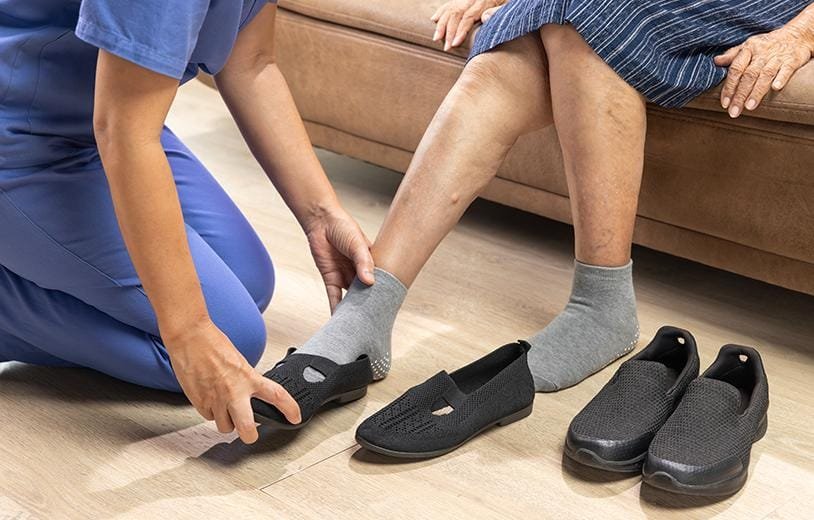
Older adults may have changing foot shapes, sensitivity, balance concerns, or difficulty putting on footwear.
Useful features can include:
- 🛡️ Stable soles
- 👟 Secure closures
- 📏 Easy sizing
- ↔️ Adequate width
- 🛋️ Comfortable cushioning
- 🔄 Easy-to-use designs
Slip-resistant traction may also be important depending on the environment.
However, footwear should not be treated as a complete solution for balance or fall concerns.
How to Check the Fit
Whether you choose medicated or orthopedic shoes, fit is extremely important.
Check the Length
Your toes should have enough space at the front.
They should not repeatedly hit the front of the shoe during walking.
Check the Width
Your feet should not be squeezed from the sides.
Check the Heel
Your heel should remain reasonably secure.
Check the Arch
The arch area should feel supported but not painfully compressed.
Walk in the Shoes
Always test the footwear while standing and walking if possible.
Signs That a Shoe Is Not Right for You
Stop and reconsider the footwear if you experience persistent:
- ❌ Pinching
- ❌ Burning
- ❌ Rubbing
- ❌ Toe pressure
- ❌ Heel slipping
- ❌ Arch pain
- ❌ Side pressure
- ❌ Blisters
A shoe should not cause significant pain simply because it is new.
How to Buy Medicated or Orthopedic Shoes Online
Online shopping can make it easier to compare products, but you need to pay attention to the details.
Check the Product Description
Look for:
- Shoe width
- Insole type
- Cushioning
- Materials
- Sole construction
- Closure
- Available sizes
- Removable insole information
Use the Size Chart
Don’t rely only on your usual size.
Compare your measurements with the manufacturer’s chart.
Review Return Policies
Footwear fit can be difficult to judge online, so a clear return or exchange policy is useful.
Read Customer Reviews
Reviews can provide additional information about:
- Fit
- Width
- Comfort
- Durability
- Sizing consistency
But remember that foot shape varies from person to person.
How Much Should You Spend on Supportive Footwear?
There is no single ideal price.
A more expensive shoe is not automatically better, and an inexpensive shoe is not automatically poor quality.
Instead, consider:
Construction
Does the shoe appear well made?
Fit
Does it accommodate your foot properly?
Materials
Are the materials appropriate for your needs?
Durability
Will the shoe withstand your normal use?
Features
Does it provide the support and cushioning you actually need?
Value
Does the overall combination of comfort, quality, and durability justify the price?
Common Myths About Orthopedic and Medicated Shoes
Myth 1: Orthopedic Shoes Must Look Bulky
Modern orthopedic footwear can have relatively conventional and attractive designs.
Myth 2: Medicated Shoes Automatically Cure Foot Pain
Footwear may improve comfort, but it should not be considered a guaranteed cure for an underlying condition.
Myth 3: The Most Expensive Shoe Is the Best
Price alone does not determine suitability.
Myth 4: More Arch Support Is Always Better
Incorrect.
Arch support needs to match your individual foot and should not create painful pressure.
Myth 5: Bigger Shoes Are Better for Sensitive Feet
Not necessarily.
Excessively loose footwear can allow excessive movement and create friction.
Myth 6: One Shoe Works for Everyone
Feet are different.
A shoe that works well for one person may be uncomfortable for another.
How to Maintain Supportive Footwear
Proper maintenance can help extend the useful life of your shoes.
🧼 Clean Them Correctly
Follow the manufacturer’s cleaning instructions.
🌬️ Allow Them to Dry
Give wet footwear enough time to dry before wearing it again.
🔍 Inspect the Insoles
Look for damage, folding, or excessive wear.
👣 Check the Sole
Look for uneven wear or loss of traction.
🔄 Rotate Shoes
If practical, rotating between suitable pairs can allow footwear to dry and recover between uses.
When Should You See a Healthcare Professional?
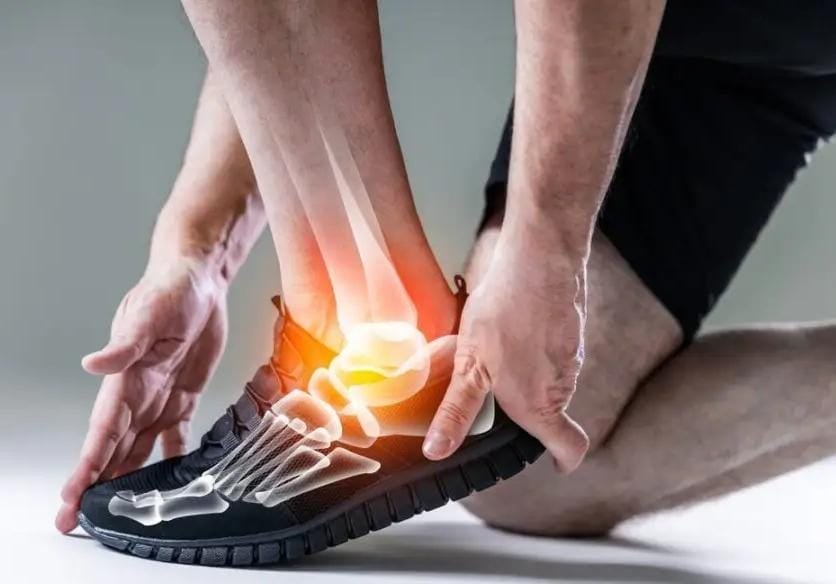
Footwear can improve comfort, but persistent foot problems may require professional assessment.
Seek appropriate medical advice if you experience:
- ⚠️ Severe or persistent pain
- ⚠️ Significant swelling
- ⚠️ Numbness
- ⚠️ Tingling
- ⚠️ A foot injury
- ⚠️ Persistent wounds
- ⚠️ Skin changes
- ⚠️ Difficulty walking
- ⚠️ Symptoms that continue despite changing footwear
If you have diabetes or another condition that increases your risk of foot complications, regular professional foot care may be particularly important.
Frequently Asked Questions
Are orthopedic shoes and medicated shoes the same?
Not necessarily. The terms can overlap, and manufacturers may use them differently. Orthopedic footwear is often associated with more specialized foot-support needs, while medicated footwear is commonly marketed around comfort and support features.
Which is better, orthopedic or medicated shoes?
Neither is universally better. The appropriate choice depends on your foot shape, symptoms, activity, and specific footwear requirements.
Are medicated shoes good for everyday walking?
Many medicated shoes are designed for everyday comfort and walking. Check the cushioning, support, stability, fit, and sole design before choosing one.
Are orthopedic shoes only for people with serious foot problems?
No. Orthopedic-style footwear can be used by people with a range of support and fit requirements. However, highly specialized orthopedic footwear may be particularly useful when standard shoes cannot accommodate a person’s needs.
Can orthopedic shoes help with foot pain?
Supportive footwear may improve comfort for some people, but it does not automatically treat the underlying cause of foot pain.
Do medicated shoes have arch support?
Many do, but not all. Always check the product specifications.
Can I use custom insoles in medicated shoes?
Some medicated shoes have removable insoles and can accommodate compatible inserts. Make sure there is sufficient room and follow professional advice if the insert has been prescribed.
Are orthopedic shoes suitable for seniors?
Some orthopedic and supportive shoes can be suitable for older adults, particularly when they offer a secure fit, stable sole, appropriate cushioning, and easy closures.
Should orthopedic shoes feel stiff?
Not necessarily. The appropriate amount of stiffness depends on the shoe and the user’s needs. A supportive shoe should not cause unnecessary discomfort.
Can I buy orthopedic shoes online?
Yes, but carefully check sizing, dimensions, product features, and return policies. For specialized medical needs, professional guidance may be useful before purchasing.
Final Thoughts
The difference between orthopedic and medicated shoes is not always as clear-cut as product labels suggest.
Both categories can include footwear with features such as:
- 👣 Cushioning
- 🦶 Arch support
- ↔️ Wide toe boxes
- 📏 Extra depth
- 🧩 Removable insoles
- 🛡️ Stable soles
- 👟 Adjustable closures
The main difference is often the degree of specialization and the purpose for which the footwear is designed.
If you simply want comfortable, supportive footwear for everyday walking, a well-fitting medicated or comfort-oriented shoe may be enough.
If you have a specific foot condition, significant foot-shape differences, diabetes-related complications, or a need for specialized inserts, you may benefit from discussing your footwear requirements with a qualified healthcare professional.
Above all, don’t choose footwear solely because it carries the word “orthopedic” or “medicated.”
Choose based on what your feet actually need.
A properly fitting shoe with suitable cushioning, support, stability, and enough room for your feet is usually far more valuable than a shoe with an impressive label but an unsuitable fit.
Comfort starts with the right fit—and the right fit starts with understanding your feet.