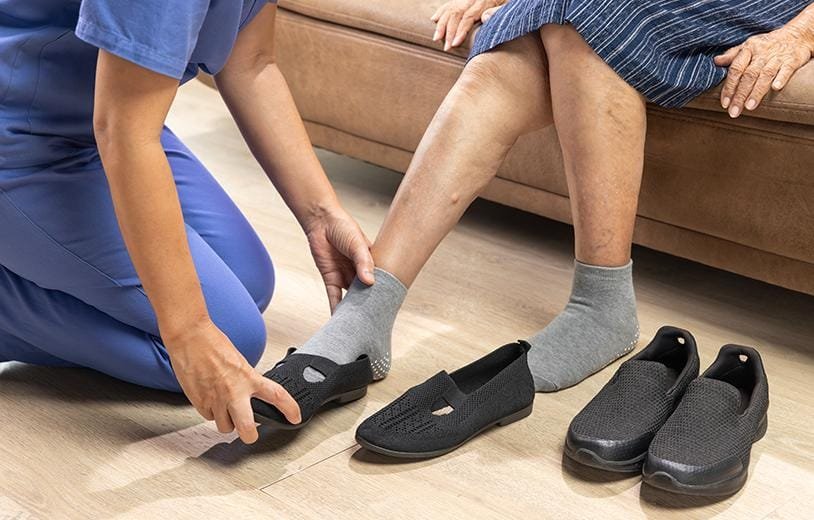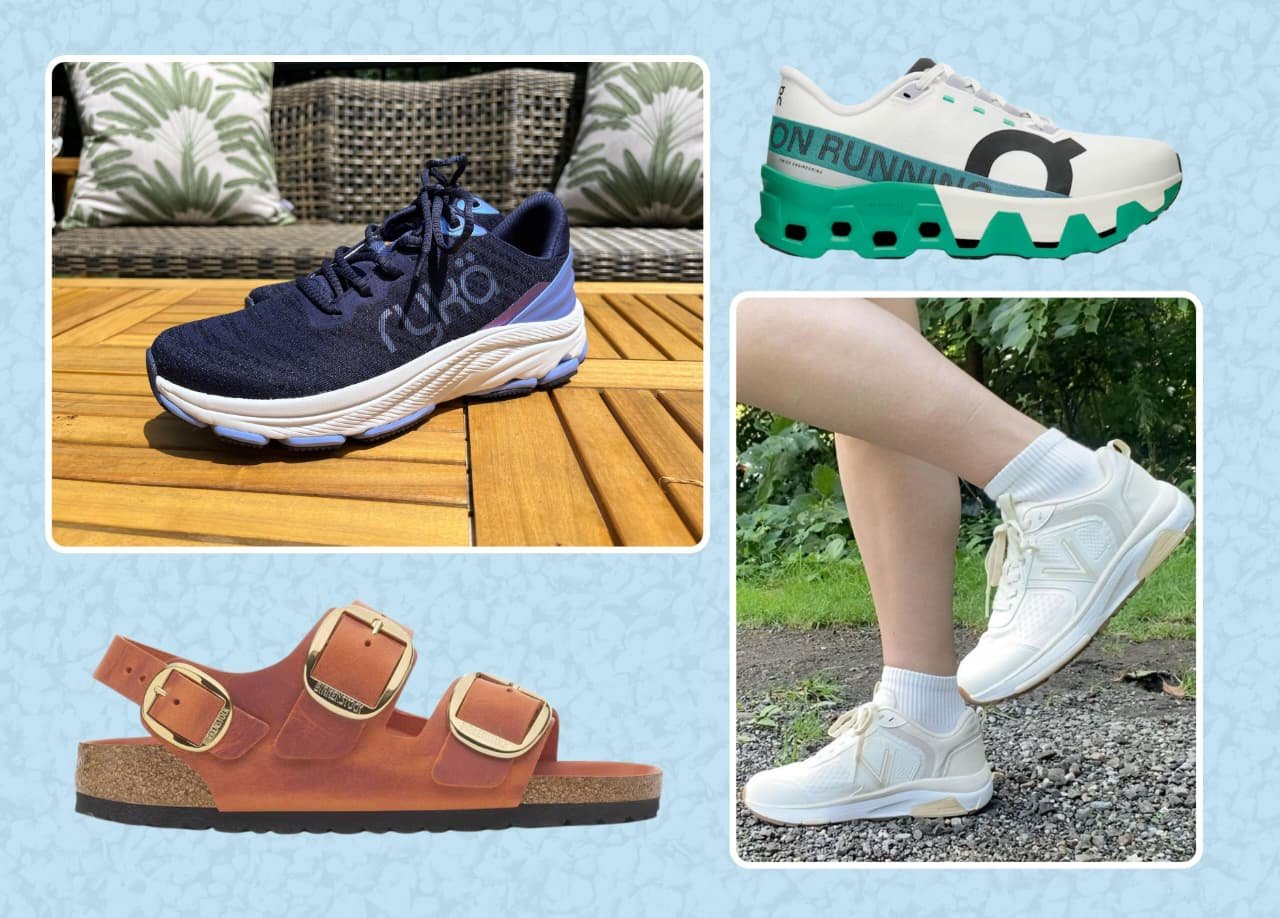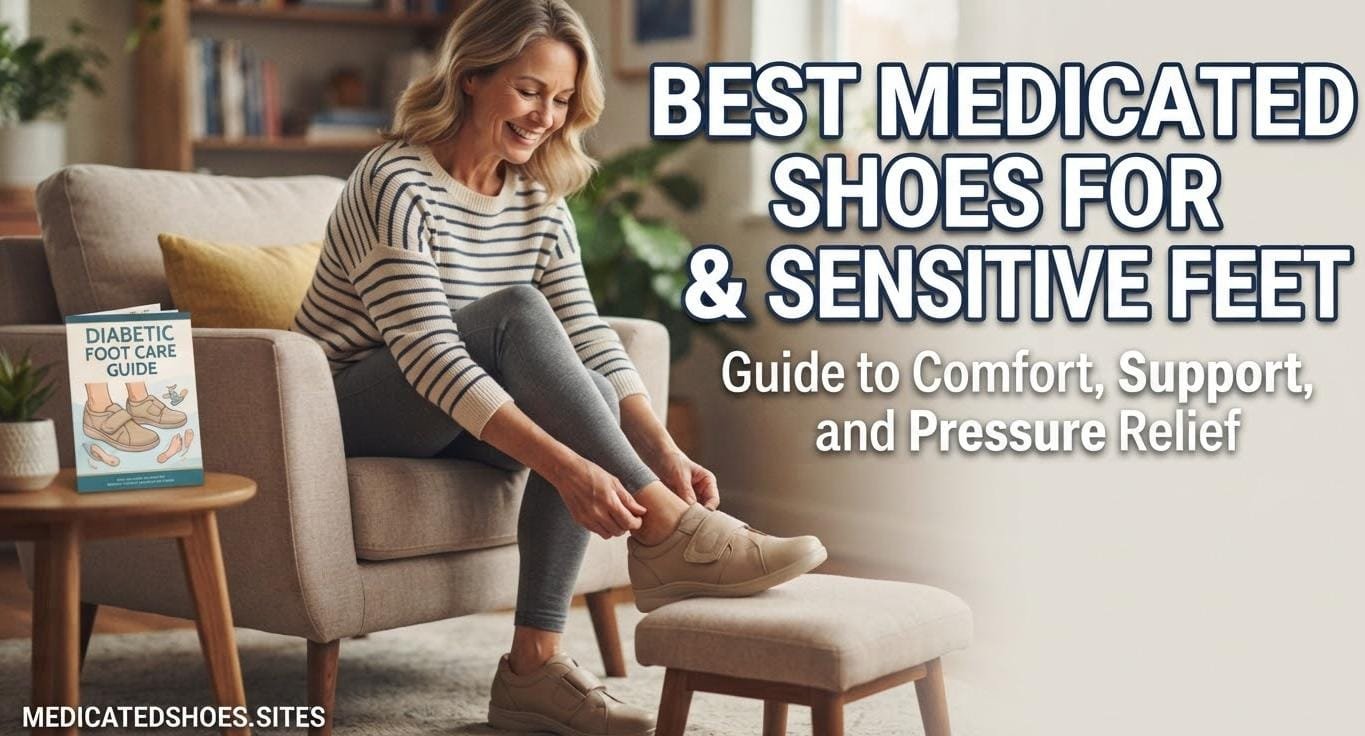
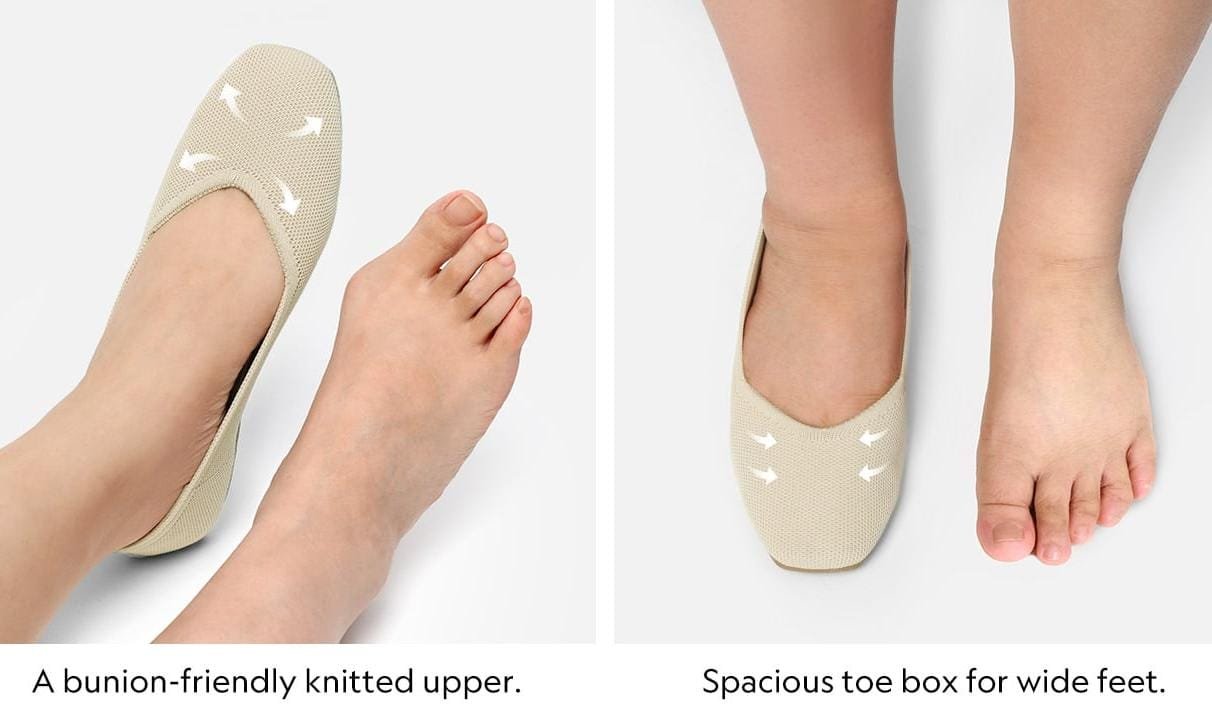
As people get older, finding comfortable footwear can become increasingly important. Feet can change in size, shape, flexibility, and sensitivity over time. Some seniors may also spend less time walking than they did when they were younger, while others remain highly active and need shoes that can comfortably handle daily walks, work, travel, or household activities.
For these reasons, choosing the right footwear requires more attention than simply selecting a fashionable pair.
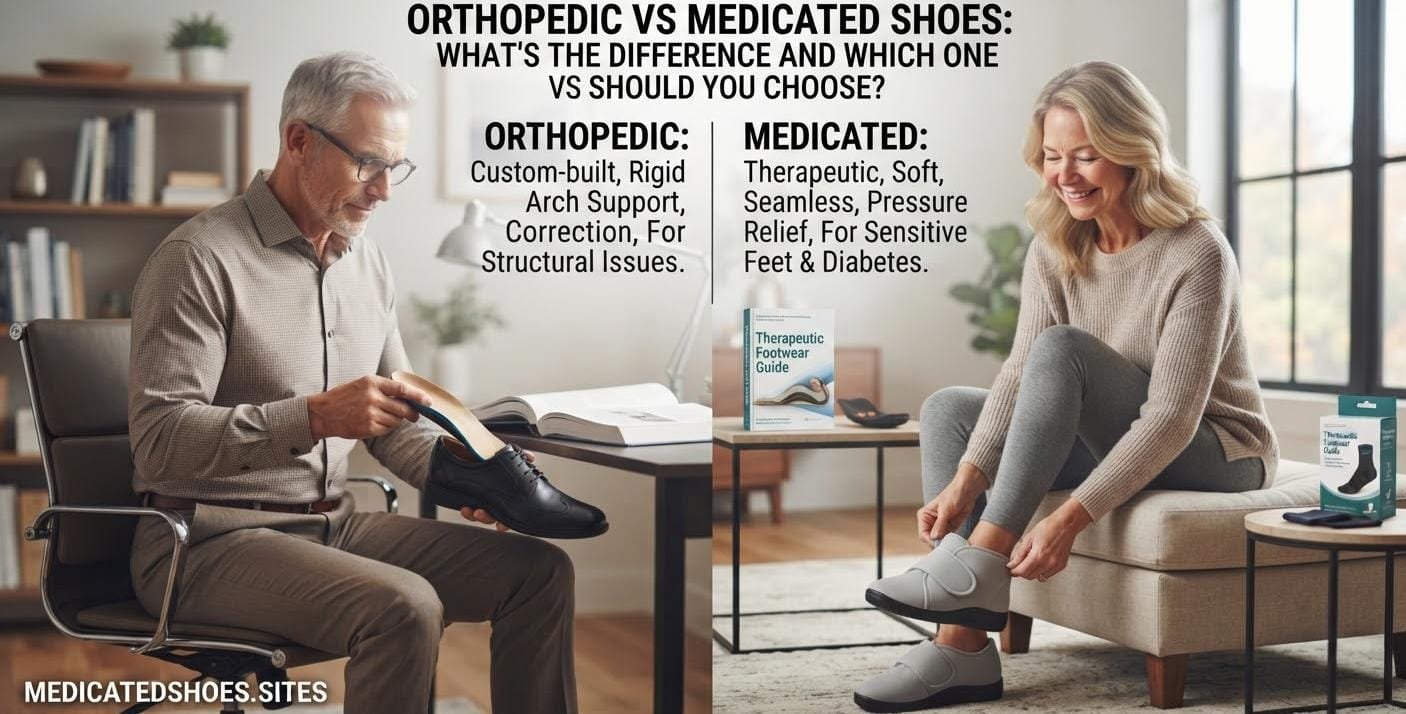
Medicated shoes for seniors are generally designed with comfort, support, stability, cushioning, and ease of use in mind. Depending on the design, they may feature wider toe boxes, soft uppers, supportive footbeds, adjustable closures, lightweight soles, and removable insoles.
However, there is no single shoe that is best for every older adult.
A senior with healthy feet may need nothing more than a comfortable, well-fitting everyday shoe. Someone with sensitive feet, swelling, arthritis, diabetes-related foot concerns, or another condition may require different features and possibly professional guidance.
This complete guide explains what to look for when choosing medicated shoes for seniors, how to find the right fit, which features matter most, common mistakes to avoid, and when professional advice may be necessary.
Why Comfortable Footwear Is Important for Seniors
Footwear can affect everyday mobility and comfort.
A poorly fitting shoe may cause:
- 👣 Foot discomfort
- 🩹 Blisters
- 🦶 Pressure points
- 🧍 Difficulty standing
- 🚶 Uncomfortable walking
- ⚖️ Reduced confidence while moving
For seniors, comfortable and stable footwear can be particularly valuable because maintaining mobility is an important part of everyday independence.
Good Footwear Should Support Daily Activities
The ideal shoe should match the person’s lifestyle.
For example:
- Walking requires comfortable cushioning and stability.
- Standing requires a supportive and comfortable sole.
- Outdoor activities require suitable traction.
- Indoor use may require lightweight and easy-to-wear footwear.
What Are Medicated Shoes for Seniors?
Medicated shoes are footwear products generally designed with additional comfort or support features.
Depending on the model, they may include:
- 👣 Supportive insoles
- 🛋️ Cushioning
- ↔️ Wider toe boxes
- 📏 Extra depth
- 🧩 Removable insoles
- 🔄 Adjustable closures
- ⚖️ Stable soles
- 🌬️ Breathable materials
- 🛡️ Protective construction
The term “medicated” is often used commercially, so buyers should look beyond the label and examine the actual design.
Not Every Senior Needs Specialized Shoes
Age alone does not mean someone needs medical footwear.
The correct shoe depends on:
- Foot shape
- Activity level
- Comfort
- Existing foot problems
- Mobility
- Individual medical needs
How Feet Can Change With Age
Feet can change throughout adulthood.
Some people experience changes in:
- Foot width
- Arch shape
- Skin condition
- Flexibility
- Cushioning
- Toe position
- Swelling
These changes can affect how old favorite shoes fit.
Why Old Shoe Sizes May Stop Working
A person may have worn the same shoe size for decades and still find that a different size or width becomes more comfortable later in life.
That’s why relying entirely on an old shoe size isn’t always a good idea.
10 Important Features of Medicated Shoes for Seniors
1. Easy and Comfortable Fit
Fit should be the first priority.
A shoe should not squeeze the foot or allow excessive movement.
Look For:
- 📏 Appropriate length
- ↔️ Correct width
- 👣 Adequate toe room
- 🛡️ Secure heel
Comfort should be assessed while standing and walking, not only while sitting.
2. Wide Toe Box
Many seniors prefer footwear that provides adequate room around the toes.
A spacious toe box can allow the toes to sit more naturally.
Avoid:
- ❌ Pointed toe designs
- ❌ Excessive squeezing
- ❌ Hard pressure around the toes
- ❌ Shoes that force the toes together
However, “wide” does not mean the shoe should be excessively loose.
3. Lightweight Construction
Heavy footwear can make walking more tiring.
Lightweight materials and soles may make shoes easier to wear throughout the day.
A Good Balance
A lightweight shoe should still provide:
- Stability
- Support
- Appropriate traction
- Durability
The lightest possible shoe isn’t necessarily the best shoe.
4. Cushioned Footbed
Comfortable cushioning can be especially useful during prolonged walking or standing.
A cushioned footbed may make hard surfaces feel more comfortable.
However, too much softness can reduce stability for some people.
Look for Balanced Cushioning
Comfort + Stability = Better Everyday Support
5. Stable Sole
A stable sole can provide a secure platform during walking.
This is especially useful for people who prefer a more supportive feel.
The outsole should also provide appropriate traction for the environment.
6. Adjustable Closure
Adjustable shoes can be easier to fit and manage.
Common options include:
- Velcro
- Laces
- Adjustable straps
- Buckles
- Elastic systems
Why Velcro Can Be Convenient
Velcro closures can be useful for people who find traditional laces difficult to manage.
They allow quick adjustment without requiring precise finger movement.
7. Secure Heel
The heel should remain reasonably secure inside the shoe.
Excessive heel movement can cause:
- Friction
- Blisters
- Instability
- Walking discomfort
A good shoe should hold the heel without squeezing it.
8. Removable Insoles
Removable insoles can provide additional flexibility.
They may allow room for:
- Orthotic inserts
- Specialized insoles
- Custom footbeds
If an orthotic is recommended by a healthcare professional, make sure the shoe has enough space for it.
9. Smooth Interior
Some seniors may have sensitive skin or feet.
A smooth interior can reduce unnecessary rubbing.
Check for:
- Rough seams
- Hard edges
- Exposed stitching
- Uneven lining
10. Good Traction
Good traction is important for comfortable movement.
The outsole should be suitable for the surfaces where the shoes are used.
For example:
- 🏠 Indoor floors
- 🏢 Workplace floors
- 🚶 Pavements
- 🌳 Outdoor paths
Best Medicated Shoes for Seniors With Arthritis
Arthritis can affect the feet and toes in different ways.
Some people with arthritis may prefer shoes that offer additional room and reduce pressure around uncomfortable areas.
Features to Consider
- Wide toe box
- Soft upper
- Adjustable closure
- Comfortable cushioning
- Lightweight construction
- Supportive footbed
Avoid Excessive Pressure
A shoe that presses directly on a painful joint may become uncomfortable quickly.
Choose a design that accommodates the shape of your foot.
Medicated Shoes for Seniors With Swollen Feet
Some seniors experience changes in foot volume during the day.
In these situations, adjustable footwear may be useful.
Look For:
- 🔄 Adjustable straps
- ↔️ Adequate width
- 📏 Extra depth when appropriate
- 👟 Flexible upper
- 🧩 Comfortable footbed
A shoe should never be so tight that it creates uncomfortable pressure.
Medicated Shoes for Seniors With Diabetes
Diabetes can be associated with foot complications in some people.
Depending on individual circumstances, diabetic-friendly footwear may emphasize:
- Adequate toe room
- Smooth interiors
- Appropriate cushioning
- Secure fit
- Protective construction
Important
Not every person with diabetes needs specialized shoes.
If a senior has reduced sensation, a history of ulcers, deformities, or other foot complications, professional advice is particularly important.
Medicated Shoes for Seniors With Flat Feet
Some older adults have flat feet without any symptoms.
Others may experience discomfort or fatigue.
For symptomatic flat feet, footwear may be selected based on:
- Appropriate arch support
- Stable midsole
- Comfortable cushioning
- Secure heel
- Correct width
Avoid Automatically Choosing Maximum Arch Support
More support is not necessarily better.
The support should match the individual’s foot shape and comfort needs.
Medicated Shoes for Seniors With Heel Pain
Heel pain can have different causes.
Comfortable footwear may help some people feel better during walking by providing:
- Heel cushioning
- Stable construction
- Supportive footbed
- Appropriate arch support
- Correct fit
However, persistent heel pain should not be attributed to aging alone.
Professional evaluation may be appropriate.
Medicated Shoes for Seniors With Sensitive Feet
Sensitive feet require careful footwear selection.
Look for:
- 🧸 Soft materials
- 🧩 Smooth interior
- 🛋️ Comfortable cushioning
- ↔️ Adequate width
- 👣 Minimal pressure points
Try to avoid footwear that creates rubbing or irritation.
Why Shoe Weight Matters for Older Adults
A heavy shoe may require more effort to move during walking.
This can be noticeable during long walks.
Lightweight Doesn’t Mean Flimsy
Look for footwear that combines:
Light weight + Stability + Durability
A shoe should still feel secure when walking.
Why Easy Closures Matter
Some seniors may find traditional shoelaces inconvenient.
This is especially true if bending down, tying laces, or making small adjustments is difficult.
Convenient Closure Options
Velcro
Easy to open and adjust.
Elastic
Can provide flexibility while maintaining a simple design.
Slip-On
Convenient, but should still provide a secure fit.
Laces
Offer excellent adjustability when the wearer can comfortably use them.
Are Slip-On Shoes Good for Seniors?
Slip-on shoes can be convenient, but they should fit securely.
An overly loose slip-on can allow excessive foot movement.
If Choosing Slip-Ons, Check:
- Heel security
- Toe room
- Midfoot fit
- Sole stability
- Traction
Convenience should not come at the expense of fit.
How to Choose the Right Shoe Size for Seniors
Correct sizing becomes particularly important when comfort is a priority.
Measure Both Feet
Feet may not be exactly the same size.
Use the larger foot when selecting the appropriate size.
Measure Later in the Day
Feet can change slightly in volume throughout the day.
Wear Normal Socks
Use the socks that will normally be worn with the shoes.
How Should Senior Shoes Fit?
A properly fitting shoe should feel secure but not restrictive.
Toe Area
There should be sufficient space.
Midfoot
The shoe should support the foot without excessive pressure.
Heel
The heel should remain reasonably secure.
Width
The foot should not bulge over the sides.
How to Test Medicated Shoes Before Buying
When possible, test the shoes properly.
Step 1: Put on Both Shoes
Don’t test only one.
Step 2: Stand
Your feet behave differently under body weight.
Step 3: Walk
Walk naturally.
Step 4: Turn
Try changing direction.
Step 5: Check the Heel
Make sure it doesn’t slip excessively.
Step 6: Check the Toes
Make sure they aren’t squeezed.
Step 7: Check the Arch
Make sure support feels comfortable.
Buying Medicated Shoes Online for Seniors
Online shopping can be convenient, but footwear requires careful attention to details.
Check the Size Chart
Always compare actual measurements.
Check Width Options
Look for standard, wide, or extra-wide options when appropriate.
Read Product Specifications
Check:
- Material
- Sole
- Insole
- Cushioning
- Closure
- Width
- Depth
Read Reviews
Customer reviews can provide useful information about sizing and comfort.
Check the Return Policy
A clear exchange policy is helpful if the shoes don’t fit properly.
How Seniors Can Safely Introduce New Shoes
New footwear should not necessarily be worn for an entire day immediately.
Start Slowly
Wear the shoes for shorter periods.
Then check your feet.
Look for:
- 🔴 Redness
- 🫧 Blisters
- 🩹 Rubbing
- ⚠️ Pressure marks
- 🦶 Skin irritation
If the shoe consistently causes problems, reconsider the fit.
Footwear and Everyday Mobility
Comfortable footwear can support everyday mobility by making walking more pleasant.
Seniors may use footwear for:
- Grocery shopping
- Household activities
- Walking
- Travel
- Visiting family
- Outdoor activities
- Work
Choose According to Lifestyle
A shoe designed for occasional indoor use may not be suitable for long outdoor walks.
Think about where the footwear will actually be used.
Medicated Shoes for Indoor Use
Indoor footwear can be overlooked.
However, some seniors spend many hours walking around the home.
Look For:
- Lightweight construction
- Secure fit
- Comfortable cushioning
- Appropriate traction
Avoid overly loose slippers that may move around the foot.
Medicated Shoes for Outdoor Walking
Outdoor shoes should provide:
- 🛋️ Cushioning
- ⚖️ Stability
- 🛡️ Traction
- 👣 Support
- 🌬️ Breathability
The outsole should be suitable for the walking surfaces you normally encounter.
Common Mistakes Seniors Should Avoid
❌ Wearing Shoes That Are Too Tight
Tight shoes can create unnecessary pressure.
❌ Choosing Oversized Footwear
Large shoes may allow excessive movement.
❌ Buying Only for Appearance
Style matters, but comfort and fit should come first.
❌ Ignoring Width
Length isn’t the only factor.
❌ Choosing Extremely Soft Soles
Softness does not automatically mean stability.
❌ Wearing Worn-Out Shoes
Old footwear may lose cushioning and traction.
❌ Ignoring Foot Changes
New swelling, wounds, pain, or changes in foot shape should not simply be dismissed as part of aging.
How to Maintain Medicated Shoes
Proper maintenance can help keep shoes comfortable.
🧼 Clean Them Properly
Follow the manufacturer’s care instructions.
🌬️ Keep Them Dry
Allow footwear to dry properly after use.
🔍 Check the Interior
Inspect for:
- Rough areas
- Damaged lining
- Foreign objects
👟 Check the Sole
Look for:
- Uneven wear
- Cracks
- Reduced traction
When Should Seniors Replace Their Shoes?
There is no universal replacement date.
Replace footwear when it no longer provides appropriate:
- Support
- Cushioning
- Stability
- Traction
- Fit
Warning Signs
- 🛑 Flattened cushioning
- 🛑 Uneven outsole
- 🛑 Damaged heel
- 🛑 Cracked sole
- 🛑 Torn lining
- 🛑 New discomfort
How Often Should Seniors Check Their Feet?
Foot-checking frequency should depend on individual health needs.
People with diabetes, reduced sensation, or other risk factors may need more regular inspection based on professional advice.
Check for:
- Redness
- Cuts
- Blisters
- Swelling
- Skin changes
- Pressure areas
- Changes in appearance
Early attention to foot problems can be important.
When Should a Senior See a Healthcare Professional?
Foot pain should not automatically be considered a normal part of aging.
Professional evaluation may be appropriate when there is:
- ⚠️ Persistent pain
- ⚠️ Sudden swelling
- ⚠️ New numbness
- ⚠️ Significant weakness
- ⚠️ Difficulty walking
- ⚠️ A wound
- ⚠️ Signs of infection
- ⚠️ Sudden change in foot shape
- ⚠️ Pain after an injury
If the person has diabetes or another condition that increases foot risk, prompt attention to concerning changes is especially important.
Frequently Asked Questions
What are the best medicated shoes for seniors?
The best shoes depend on the individual’s foot shape, comfort needs, activity level, and any medical considerations. Look for proper fit, cushioning, stability, adequate toe room, and a secure heel.
Are medicated shoes necessary for all seniors?
No. Age alone does not mean someone needs specialized footwear. Many seniors can comfortably wear well-fitting conventional shoes.
What type of shoes are easiest for seniors to wear?
Shoes with adjustable closures such as Velcro can be convenient. However, the shoe should still fit securely.
Are wide shoes better for seniors?
Wide shoes can be beneficial when a person’s feet require additional width. They should not be excessively loose.
Are slip-on shoes safe for older adults?
They can be comfortable when properly fitted, but excessively loose slip-on shoes may allow too much foot movement.
What should seniors look for in walking shoes?
Look for comfortable cushioning, stability, suitable flexibility, good traction, adequate toe room, and a secure fit.
Are medicated shoes good for arthritis?
Footwear with a roomy toe box, comfortable cushioning, adjustable closure, and soft upper materials may be more comfortable for some people with arthritis.
Are medicated shoes suitable for diabetic seniors?
Some diabetic-friendly footwear may be useful depending on individual foot health. Seniors with neuropathy, ulcers, deformities, or other complications should seek professional footwear advice.
Can medicated shoes help with heel pain?
Supportive footwear may improve comfort for some people, but persistent heel pain can have many causes and should be evaluated when necessary.
How do I know when a senior’s shoes need replacing?
Replace shoes when cushioning, support, stability, traction, or fit has significantly deteriorated.
Should seniors wear shoes inside the house?
Some people find supportive indoor footwear more comfortable than walking barefoot or wearing loose slippers. The appropriate choice depends on individual needs and home surfaces.
Senior-Friendly Shoe Buying Checklist
Before purchasing medicated shoes, check the following:
👣 Fit
- Correct length
- Appropriate width
- Enough toe room
- Secure heel
🛋️ Comfort
- Comfortable cushioning
- Supportive footbed
- No pressure points
⚖️ Stability
- Stable sole
- Suitable traction
- Secure construction
🔄 Convenience
- Easy closure
- Easy to put on
- Easy to adjust
🧩 Practicality
- Suitable for daily activity
- Appropriate materials
- Removable insole if needed
🛒 Online Purchase
- Size chart checked
- Width checked
- Product details reviewed
- Return policy checked
Final Thoughts
Choosing medicated shoes for seniors should begin with comfort, fit, stability, and the individual’s everyday needs.
The right footwear can include features such as a roomy toe box, comfortable cushioning, a supportive footbed, adjustable closures, a secure heel, and an outsole with suitable traction.
However, there is no universal “best” medicated shoe for every senior.
One person may need a lightweight walking shoe, another may benefit from extra width, while someone with a specific foot condition may require specialized therapeutic footwear.
When shopping, measure both feet, check length and width, try the shoes while standing and walking, and avoid footwear that creates pressure or rubbing.
For online purchases, review the manufacturer’s size chart, product specifications, customer feedback, and return policy.
Most importantly, don’t assume that new or persistent foot problems are simply a normal part of getting older. Pain, swelling, wounds, numbness, significant changes in foot shape, or difficulty walking deserve appropriate attention.
The goal of good senior footwear is simple: comfortable feet, secure steps, and confidence during everyday movement.