Heel pain can make ordinary activities feel surprisingly difficult. Walking around the house, standing at work, going shopping, exercising, or simply getting out of bed can become uncomfortable when every step puts pressure on the heel.
Footwear is one factor that can influence how comfortable your feet feel throughout the day. For some people, appropriately designed medicated shoes for heel pain may provide useful cushioning, support, stability, and a more comfortable fit.
However, heel pain has many possible causes. A shoe that works well for one person may not be appropriate for another. Choosing footwear should therefore begin with understanding your symptoms and identifying the features that make walking more comfortable.
In this guide, we will explore common reasons for heel discomfort, important footwear features, how to choose the right size and cushioning, mistakes to avoid, and when persistent heel pain should be evaluated by a healthcare professional.
What Is Heel Pain?
Heel pain refers to discomfort around the heel area of the foot.
It may occur:
- Under the heel
- Around the back of the heel
- Along the bottom of the foot
- Around the sides of the heel
The sensation can vary from mild discomfort to significant pain.
Some people experience pain mainly after getting out of bed, while others notice it after prolonged walking or standing.
Common Symptoms
People with heel discomfort may describe:
- 🦶 Aching
- 🔥 Burning
- ⚡ Sharp pain
- 🛑 Tenderness
- 👣 Pain during walking
- 🧍 Discomfort after standing
- 🌅 Pain with the first steps after rest
The pattern of pain can sometimes provide clues about its cause, but a healthcare professional is best placed to diagnose persistent symptoms.
What Causes Heel Pain?
Heel pain can have several possible causes.
Common possibilities include:
- Plantar fasciitis
- Achilles tendon problems
- Overuse
- Certain injuries
- Poorly fitting footwear
- Changes in activity
- Certain foot structures
Important Reminder
Not every episode of heel pain is caused by footwear.
If your pain is severe, persistent, worsening, or associated with an injury, professional assessment may be appropriate.
What Are Medicated Shoes for Heel Pain?
Medicated shoes are generally footwear designed with features intended to improve support and comfort.
For heel discomfort, useful features may include:
- 🛋️ Heel cushioning
- 👣 Supportive footbeds
- ⚖️ Stable midsoles
- 🧩 Appropriate arch support
- 📏 Correct fit
- 🛡️ Supportive heel construction
- 🔄 Suitable flexibility
Different products use different designs.
The word “medicated” does not automatically mean a particular shoe is medically appropriate for every type of heel pain.
How Footwear Can Affect Heel Comfort
Every step transfers forces between your body and the ground.
Footwear changes the way those forces are experienced by your feet.
A comfortable shoe may provide:
- Better cushioning
- More stable footing
- Reduced irritation
- Improved fit
- Greater walking comfort
But Shoes Are Not a Guaranteed Cure
A shoe may improve comfort while you wear it, but it cannot necessarily treat the underlying cause of heel pain.
This distinction is important.
Footwear support is not the same thing as medical treatment.
10 Features to Look for in Medicated Shoes for Heel Pain
1. Comfortable Heel Cushioning
Heel cushioning is often one of the first features people consider.
A cushioned heel can make walking on hard surfaces feel more comfortable.
What to Look For
- 🛋️ Comfortable impact absorption
- ⚖️ Stable construction
- 👣 Even foot support
- 🔄 Suitable cushioning for your activity
Avoid choosing a shoe solely because its sole is extremely thick.
2. Supportive Footbed
The footbed is the surface on which your foot rests.
A supportive footbed can provide a stable base and may make walking more comfortable.
Look for a footbed that feels:
- Comfortable
- Stable
- Supportive
- Appropriate for your foot shape
3. Appropriate Arch Support
Arch support can influence how your foot feels during walking.
Some people prefer structured support, while others find aggressive arch designs uncomfortable.
The Key Is Individual Fit
The support should not:
- ❌ Dig into your arch
- ❌ Create painful pressure
- ❌ Force your foot into an uncomfortable position
A moderate and appropriately shaped support may be more comfortable than maximum support.
4. Stable Midsole
A stable midsole can help provide a consistent platform.
This is especially useful for people who feel uncomfortable in extremely soft footwear.
Balance Matters
Good footwear should balance:
Cushioning + Stability + Support + Flexibility
5. Secure Heel
The heel should stay reasonably secure inside the shoe.
Too much heel movement can cause friction and make walking feel less stable.
A secure heel can contribute to a more controlled fit.
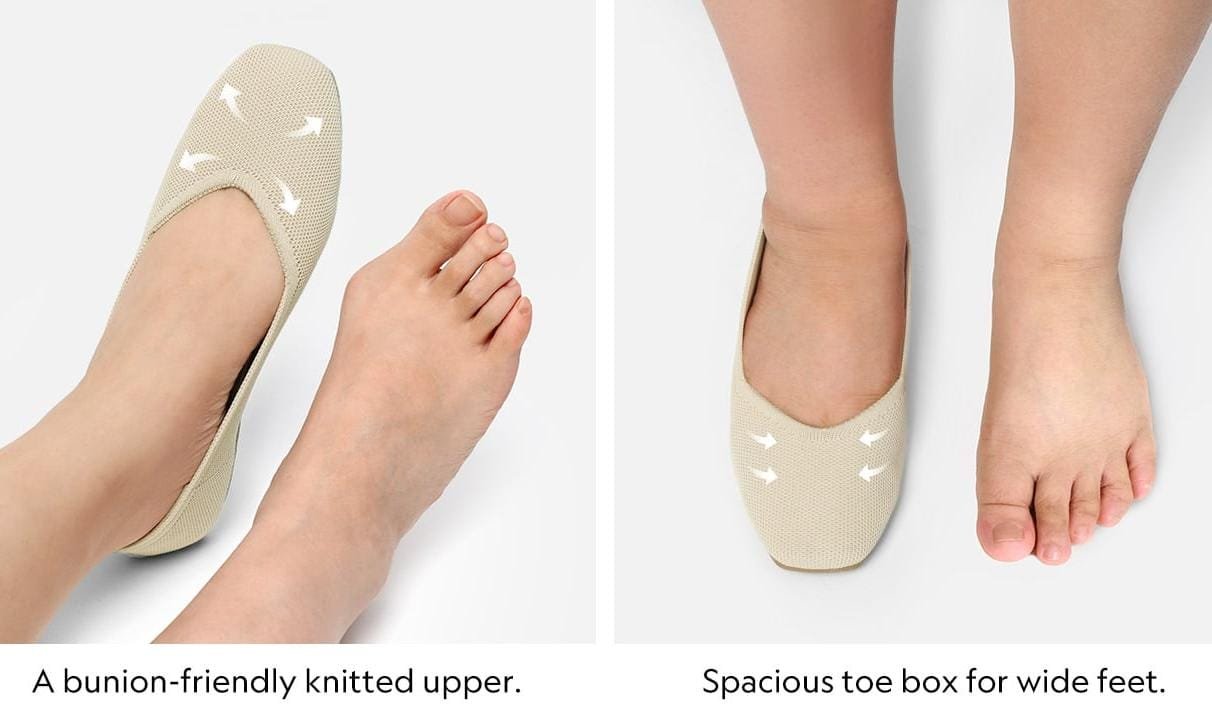
6. Adequate Toe Room
Heel pain doesn’t mean the rest of the foot should be ignored.
A shoe that is too narrow can create additional discomfort.
The toe box should allow your toes to sit naturally.
Look for:
- ↔️ Appropriate width
- 📏 Adequate length
- 👣 Natural toe positioning
- 🚫 No squeezing
7. Appropriate Flexibility
A walking shoe should allow comfortable movement.
A completely rigid shoe may feel restrictive.
On the other hand, an excessively flexible shoe may not provide the stability some people prefer.
The ideal amount of flexibility depends on the individual.
8. Good Traction
The outsole should provide appropriate traction for your normal environment.
This can be especially important if you frequently walk outdoors or on smooth surfaces.
Consider:
- Pavements
- Floors
- Workplace surfaces
- Outdoor paths
Choose a sole appropriate for your activities.
9. Comfortable Upper
The upper should hold the foot comfortably without excessive pressure.
Soft or flexible materials may feel comfortable for many people.
However, material alone does not determine whether a shoe is suitable.
Fit remains essential.
10. Removable Insole
A removable insole can be useful if you need to use a compatible orthotic or another insert.
If you use a professionally recommended insert, make sure the shoe has enough internal space.
Medicated Shoes for Plantar Fasciitis
Plantar fasciitis is a common cause of pain around the underside of the heel.
Some people experience more pain during their first steps after waking or after a period of rest.
Footwear Features to Consider
People with plantar fasciitis may look for:
- 👣 Appropriate arch support
- 🛋️ Comfortable heel cushioning
- ⚖️ Stable construction
- 📏 Correct fit
- 🔄 Suitable flexibility
However, footwear is only one part of managing heel pain.
Persistent symptoms should be evaluated by an appropriate healthcare professional.
Medicated Shoes for Heel Pain After Standing
Standing for several hours can make existing heel discomfort more noticeable.
If you spend most of your workday standing, consider footwear with:
- Comfortable cushioning
- Stable sole
- Secure heel
- Supportive footbed
- Adequate toe room
Take Breaks When Possible
If your work permits, changing positions and taking short periods of rest can help reduce prolonged loading on your feet.
Medicated Shoes for Walking
If walking is your primary activity, choose footwear that allows natural movement.
Look for:
- 👟 Comfortable fit
- 🛋️ Appropriate cushioning
- ⚖️ Stability
- 👣 Support
- 🔄 Flexibility
- 🛡️ Good traction
The shoe should remain comfortable throughout the length of your usual walk.
Medicated Shoes for Morning Heel Pain
Some people experience heel pain when taking their first steps in the morning.
This pattern is commonly associated with plantar fasciitis, but other causes are possible.
What Can Help From a Footwear Perspective?
Supportive footwear may feel more comfortable than:
- Walking barefoot on hard floors
- Wearing worn-out slippers
- Using shoes with inadequate cushioning
If morning pain continues for an extended period, consider professional assessment.
Should You Walk Barefoot With Heel Pain?
This depends on the cause and severity of your symptoms.
Some people find that walking barefoot on hard surfaces makes their heel pain worse.
Others may not experience problems.
Consider Your Environment
Hard surfaces such as:
- Tile
- Concrete
- Stone
- Hardwood
may feel less comfortable when your heel is already sensitive.
Supportive indoor footwear may be preferable for some people.
How to Choose the Right Heel Cushioning
Cushioning is important, but maximum cushioning isn’t always the goal.
Too Little Cushioning
May make hard surfaces feel uncomfortable.
Too Much Softness
May reduce stability for some people.
The Ideal Balance
Look for cushioning that feels:
- Comfortable
- Stable
- Supportive
- Appropriate for your walking style
The shoe should not feel unstable when you stand or turn.
How to Choose the Correct Shoe Size for Heel Pain
Correct sizing is essential.
A shoe that is too small can create pressure, while an oversized shoe can allow excessive movement.
Measure Both Feet
One foot may be slightly larger than the other.
Check Length
Make sure your toes aren’t pushed against the front.
Check Width
The shoe should not squeeze the sides of your foot.
Check Heel Security
The heel should remain reasonably stable.
How Much Space Should Be in the Toe Box?
Your toes need room to move naturally.
A comfortable toe box should allow:
- Natural toe positioning
- Adequate width
- Enough length
- Minimal pressure
Don’t solve a width problem by simply buying a longer shoe.
Instead, look for a shoe with the correct width.
Why Shoe Width Matters for Heel Pain
It may seem unrelated, but overall shoe fit affects how your foot sits inside the footwear.
A narrow shoe can create pressure across the forefoot.
An excessively loose shoe can allow the foot to slide.
Both situations may reduce comfort.
The Goal
Secure without squeezing.
How to Test Medicated Shoes Before Buying
If you’re shopping in a store, spend time testing the shoes.
Step 1: Wear Both Shoes
Never judge the fit using only one foot.
Step 2: Stand
Your feet behave differently under body weight.
Step 3: Walk
Walk around naturally.
Step 4: Check the Heel
Look for excessive movement.
Step 5: Check the Arch
Make sure support does not create pressure.
Step 6: Check the Toes
Make sure they have adequate room.
Buying Medicated Shoes Online
Online shopping can provide many choices, but you need to be careful with sizing.
Check the Manufacturer’s Size Chart
Don’t rely only on your usual size.
Check Width Options
Look for wide or extra-wide versions if required.
Read Product Details
Look for information about:
- Cushioning
- Insole
- Sole
- Materials
- Closure
- Heel construction
- Width
- Depth
Check Return and Exchange Policies
This is particularly useful when buying footwear online.
What About Orthotic Insoles?
Some people with heel pain use orthotic inserts.
Orthotics may be:
- Over-the-counter
- Professionally recommended
- Custom-made
If you use an insert, the shoe should have enough space to accommodate it.
Don’t Stack Insoles Without Checking Fit
Adding an extra insole on top of the existing footbed can make the shoe too tight.
If the footwear becomes restrictive, it may not be suitable.
Can Medicated Shoes Cure Heel Pain?
Generally, shoes should not be viewed as a guaranteed cure.
They may help improve comfort by providing:
- Cushioning
- Support
- Stability
- Better fit
But the underlying cause of heel pain still matters.
Think of Footwear as One Part of the Solution
Depending on the cause, management may involve:
- Activity modification
- Stretching
- Strengthening
- Rest
- Physical therapy
- Medical treatment
The appropriate approach depends on the diagnosis.
Common Mistakes When Buying Shoes for Heel Pain
❌ Choosing Extremely Soft Shoes
Softness does not automatically mean better support.
❌ Buying the Wrong Size
Incorrect sizing can create additional pressure.
❌ Ignoring Width
A shoe can have the correct length but still be too narrow.
❌ Choosing Maximum Arch Support
More support is not necessarily better.
❌ Wearing Worn-Out Shoes
Old footwear may lose cushioning and stability.
❌ Ignoring Persistent Pain
Footwear should not be used to avoid professional assessment when symptoms continue.
How to Break In New Shoes
If you have heel pain, don’t immediately wear new shoes for an entire day.
Try This Approach:
- Wear the shoes for a short period.
- Walk indoors.
- Check how your heel feels.
- Inspect your feet for rubbing.
- Gradually increase wearing time if comfortable.
If pain increases significantly, reconsider the footwear.
How to Maintain Your Medicated Shoes
Good maintenance can help preserve their comfort and structure.
🧼 Clean Properly
Follow the manufacturer’s instructions.
🌬️ Keep Them Dry
Allow shoes to dry completely.
🔍 Inspect the Interior
Check for worn lining or rough areas.
👟 Check the Outsole
Look for uneven wear or reduced traction.
🛋️ Monitor Cushioning
If the cushioning feels significantly flattened, it may be time for replacement.
When Should You Replace Heel Pain Shoes?
There is no universal lifespan.
Replacement depends on:
- Frequency of use
- Walking distance
- Surface
- Shoe quality
- Body weight
- Individual wear pattern
Replace Them When You Notice:
- 🛑 Uneven sole wear
- 🛑 Flattened cushioning
- 🛑 Damaged heel
- 🛑 Cracked outsole
- 🛑 Loss of stability
- 🛑 New discomfort
Lifestyle Habits That May Support Foot Comfort
Footwear is only one factor.
Depending on the cause of your heel pain, general habits may also matter.
Consider:
- Avoiding sudden increases in activity
- Taking appropriate rest
- Using comfortable footwear consistently
- Maintaining an appropriate activity level
- Following professional advice
If a particular activity consistently causes pain, don’t simply push through it without understanding why.
When Should You See a Healthcare Professional?
Seek professional evaluation if heel pain:
- ⚠️ Is severe
- ⚠️ Persists despite reasonable self-care
- ⚠️ Gets progressively worse
- ⚠️ Follows an injury
- ⚠️ Makes walking difficult
- ⚠️ Is associated with swelling
- ⚠️ Is accompanied by numbness or weakness
Urgent assessment may be appropriate for severe injury, inability to bear weight, significant swelling, or other concerning symptoms.
Frequently Asked Questions
What are the best medicated shoes for heel pain?
The best shoe depends on the cause of your heel pain and your individual foot shape. Generally, look for appropriate cushioning, support, stability, and a comfortable fit.
Are medicated shoes good for plantar fasciitis?
Supportive footwear may improve comfort for some people with plantar fasciitis. However, shoes alone may not address the underlying condition.
Is more cushioning better for heel pain?
Not necessarily. The shoe should provide comfortable cushioning while maintaining adequate stability.
Should I wear shoes inside the house if I have heel pain?
Some people find supportive indoor footwear more comfortable than walking barefoot on hard surfaces. The appropriate choice depends on your symptoms and individual needs.
Are wide shoes good for heel pain?
Wide shoes can be useful if your feet require additional width. They should not be excessively loose.
Can arch support help heel pain?
Appropriately designed arch support may improve comfort for some people, but aggressive arch support can be uncomfortable if it does not match your foot.
Can I use orthotic insoles with medicated shoes?
Some medicated shoes can accommodate compatible orthotics. Make sure there is sufficient internal space and that the combination does not create pressure.
How long should medicated shoes last?
There is no fixed lifespan. Replace them when cushioning, support, traction, or structural integrity has significantly deteriorated.
Can old shoes cause heel pain?
Worn footwear can lose cushioning and stability, which may contribute to discomfort for some people. However, heel pain has many possible causes.
Should I exercise when I have heel pain?
The appropriate activity depends on the cause and severity of the pain. Avoid pushing through significant pain and seek professional advice when symptoms persist.
Quick Buying Checklist
Before purchasing medicated shoes for heel pain, check the following:
👣 Fit
- Correct length
- Appropriate width
- Comfortable toe box
- Secure heel
🛋️ Cushioning
- Comfortable heel cushioning
- Not excessively soft
- Appropriate for your activity
⚖️ Support
- Suitable arch support
- Stable midsole
- Supportive footbed
👟 Construction
- Good outsole traction
- Comfortable upper
- Suitable flexibility
- Quality materials
🛒 Online Shopping
- Manufacturer’s size chart
- Customer reviews
- Return policy
- Product specifications
Final Thoughts
Finding suitable medicated shoes for heel pain starts with understanding that there is no single shoe that works for everyone.
A good pair should provide a comfortable combination of cushioning, stability, support, sufficient toe room, and a secure fit.
Heel cushioning can be useful for people who find hard surfaces uncomfortable, while an appropriately shaped footbed may provide additional support. At the same time, excessive softness or aggressive arch support may not suit everyone.
When purchasing shoes, measure both feet, check the width as well as the length, walk in the footwear before committing when possible, and pay attention to any pressure or rubbing.
If you’re buying online, carefully review the manufacturer’s sizing information, product specifications, and return policy.
Most importantly, don’t assume that footwear alone can solve persistent heel pain. Heel discomfort can have many different causes, and symptoms that are severe, persistent, worsening, or associated with injury should be evaluated by a healthcare professional.
The right footwear should help you feel comfortable, supported, and confident with every step while fitting naturally into your everyday routine.