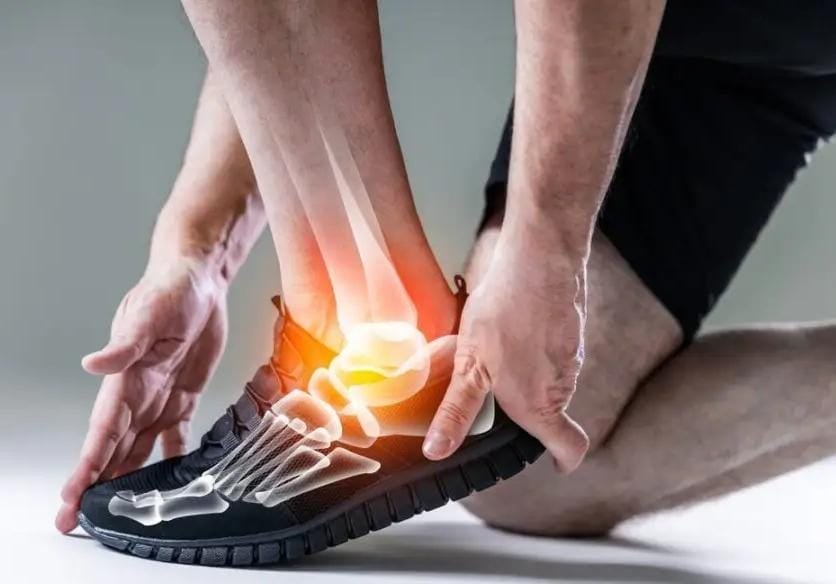
Heel pain can make ordinary activities surprisingly difficult. Walking around the house, standing at work, going shopping, exercising, or taking a morning walk can become uncomfortable when every step puts pressure on the heel.
Because footwear directly interacts with the feet during standing and walking, choosing a comfortable pair of shoes can be an important part of managing everyday foot comfort. This is why many people searching for solutions to heel discomfort consider medicated shoes for heel pain, orthopedic footwear, supportive walking shoes, and cushioned footwear.
However, not every shoe marketed as “medicated” is suitable for every person with heel pain.
Heel discomfort can have many possible causes. Plantar fasciitis, injuries, overuse, unsuitable footwear, changes in activity, and other foot or health conditions can all contribute to pain. Therefore, footwear should be selected according to your individual needs rather than relying only on marketing labels.
In this guide, we will explain the important features to look for when choosing medicated shoes for heel pain, how to check the fit, what mistakes to avoid, and when professional medical advice may be appropriate.
What Causes Heel Pain?
Heel pain can develop for many different reasons.
One common cause is plantar fasciitis, which involves irritation of the plantar fascia along the bottom of the foot. Other possible causes include injuries, excessive activity, certain structural issues, and various medical conditions.
Common Situations Associated With Heel Discomfort
People may notice heel pain after:
- 🚶 Long periods of walking
- 🧍 Standing for extended periods
- 🏃 Running or other high-impact activity
- 🪑 Getting up after sitting for a long time
- 🌅 Taking the first steps in the morning
- 👟 Wearing uncomfortable footwear
- 🔄 Suddenly increasing physical activity
Because the underlying causes can differ, persistent heel pain should not automatically be treated as a footwear issue.
Why Choosing the Right Shoes Matters
Every step creates forces through your feet.
Footwear can influence how your feet interact with the ground and how comfortable you feel while walking.
A suitable pair of shoes can provide:
- 🛋️ Cushioning
- 👣 Support
- ⚖️ Stability
- 🛡️ Heel protection
- ↔️ Adequate space
- 🔄 Appropriate flexibility
The objective is not to find the softest or most expensive shoe.
The objective is to find a shoe that fits your feet correctly and provides the features that make your normal activities more comfortable.
10 Features to Look for in Medicated Shoes for Heel Pain
If you are shopping for shoes for heel pain, pay close attention to the following features.
1. Comfortable Heel Cushioning
Heel cushioning is one of the first features many people look for.
A cushioned heel can make each step feel softer, particularly when walking on hard surfaces.
What Should You Look For?
A good heel area should offer:
- Comfortable cushioning
- Adequate stability
- A secure fit
- Consistent support
- Appropriate shock absorption
However, maximum cushioning is not automatically the best choice.
A shoe can be too soft or unstable for a particular person.
2. Supportive Footbed
The footbed is the surface that supports the bottom of your foot.
A supportive footbed may help create a comfortable base for walking.
Look for a design that feels:
- 👣 Comfortable
- ⚖️ Stable
- 🧩 Supportive
- 🔄 Appropriate for your walking style
If the footbed has a hard area that creates pressure, it may not be suitable for you.
3. Appropriate Arch Support
Arch support can be an important consideration when choosing footwear for heel discomfort.
A supportive shoe may provide an appropriate structure beneath the arch.
However, arch support is not one-size-fits-all.
Too Much Support Can Be Uncomfortable
A very prominent arch can create pressure if it does not match your foot shape.
When trying on shoes, the arch should feel supported rather than painfully pushed upward.
4. Stable Heel Counter
The heel area of the shoe should hold your foot reasonably securely.
A stable heel structure can reduce excessive movement inside the shoe.
Why Heel Stability Matters
If your heel repeatedly slips while walking, it can increase movement and friction.
A secure heel can make the shoe feel more controlled and comfortable.
5. Sufficient Toe Room
Your toes need enough space to move naturally.
A shoe that is too narrow may create unnecessary pressure and discomfort.
Look for:
- ↔️ Enough width
- 📏 Appropriate length
- 👣 Comfortable toe movement
- 🚫 No squeezing
- 🚫 No pressure against the front
People with wider feet should consider shoes specifically available in wider widths.
6. Shock-Absorbing Midsole
The midsole is an important part of a shoe’s cushioning system.
A suitable midsole can make walking feel more comfortable, especially on hard surfaces.
Look for a midsole that balances:
- Cushioning
- Stability
- Support
- Durability
The ideal balance varies from person to person.
7. Comfortable Heel-to-Toe Transition
Walking involves a sequence of movements from heel contact through the rest of the foot.
A well-designed walking shoe should allow a reasonably smooth transition through the step.
If a shoe feels awkward or restrictive when you walk, it may not be the right design for you.
Walk around in the shoes before making a decision whenever possible.
8. Suitable Flexibility
Shoes need some flexibility for natural foot movement.
But excessive flexibility can reduce the feeling of support for some users.
The Goal
Look for a shoe that:
- Allows comfortable movement
- Does not feel excessively rigid
- Does not collapse easily
- Provides appropriate stability
The correct balance depends on the individual and the intended activity.
9. Breathable Materials
If you wear your shoes for several hours, breathable materials can improve comfort.
Good airflow can help reduce the feeling of heat and moisture inside the footwear.
Consider breathable designs if you:
- Walk frequently
- Work long shifts
- Live in a warm climate
- Spend many hours wearing shoes
Breathability is useful, but it should not take priority over proper fit and support.
10. Removable Insole
Some medicated shoes have removable insoles.
This can be useful for people who use compatible inserts.
If you have been advised by a qualified professional to use a particular orthotic, make sure the shoe can accommodate it without making the foot feel cramped.
Best Types of Shoes for Heel Pain
Different activities require different footwear.
Walking Shoes
For everyday walking, look for:
- 🛋️ Comfortable cushioning
- 👣 Appropriate support
- ⚖️ Stable sole
- 🛡️ Secure heel
- 🌬️ Breathable upper
- 📏 Correct fit
Walking shoes should remain comfortable throughout your normal walking routine.
Running Shoes
Running produces more repetitive impact than ordinary walking.
If you run, consider shoes designed specifically for running rather than using casual shoes for high-impact activities.
Look for appropriate:
- Cushioning
- Stability
- Fit
- Breathability
- Durability
The best running shoe is the one that suits your individual feet and running requirements.
Work Shoes
People who stand for many hours may need footwear that remains comfortable throughout a long shift.
Important features can include:
- Comfortable footbed
- Heel cushioning
- Stable outsole
- Appropriate width
- Secure closure
- Suitable traction
If your workplace requires protective footwear, safety standards should also be considered.
Casual Shoes
For everyday casual use, you do not necessarily need highly specialized footwear.
A well-fitting casual shoe with appropriate cushioning and support may be enough for some people.
How to Choose the Right Size for Heel Pain
Correct sizing is essential.
A shoe that is too small can create pressure, while an excessively large shoe can allow unnecessary movement.
Measure Both Feet
Feet are not always identical.
Measure both feet and make sure the shoes comfortably accommodate the larger foot.
Check the Width
Don’t focus only on length.
If the shoe squeezes the sides of your feet, consider a wider design.
Leave Appropriate Toe Room
Your toes should not hit the front of the shoe when you walk.
Check the Heel
The heel should remain reasonably secure without excessive slipping.
How to Test a Shoe Before Buying
If you are buying from a physical store, take your time.
Step 1: Put on Both Shoes
Never judge a pair based on one foot.
Step 2: Stand Up
Your feet behave differently under body weight.
Step 3: Walk Around
Walk naturally for several minutes.
Step 4: Check the Heel
Look for excessive slipping.
Step 5: Check the Toes
Make sure there is enough space.
Step 6: Check the Arch
The arch should feel comfortably supported.
Step 7: Identify Pressure Points
Pay attention to any:
- Pinching
- Rubbing
- Burning
- Pressure
- Tightness
A comfortable shoe should not cause significant pain during a basic fitting test.
What Type of Sole Is Best for Heel Pain?
There is no single sole type that is perfect for everyone.
However, many people with heel discomfort prefer footwear that combines cushioning with stability.
Thick Sole
A thicker sole may provide additional cushioning.
But thickness alone does not guarantee comfort.
Flexible Sole
Some flexibility allows natural movement.
Stable Sole
A stable sole can provide a more secure platform.
What Matters Most?
Rather than choosing based solely on thickness, consider the overall combination of:
Cushioning + Stability + Flexibility + Fit
Should You Choose Soft or Firm Shoes?
This is one of the most common questions.
The answer is: neither extreme is necessarily best.
Very soft shoes may feel comfortable initially but can sometimes feel unstable.
Very firm shoes may provide stability but feel uncomfortable under the heel.
The ideal footwear provides a balance suitable for your feet.
Try Before You Decide
If possible, walk in different shoes and compare how your heels feel.
Your own comfort response is valuable information.
Are Medicated Shoes Good for Heel Pain?
Medicated shoes can be a useful footwear option for some people because they may include features such as:
- Heel cushioning
- Arch support
- Comfortable footbeds
- Stable soles
- Wider designs
- Removable insoles
But the term “medicated” does not guarantee that a shoe will relieve every type of heel pain.
The cause of the pain matters.
Think Beyond the Label
Instead of asking:
“Is this a medicated shoe?”
ask:
“Does this shoe provide the features my feet need?”
That is a more useful way to evaluate footwear.
Medicated Shoes for Plantar Fasciitis
Plantar fasciitis is a common reason people search for shoes for heel pain.
For some people, comfortable footwear with suitable cushioning and support may make everyday walking more comfortable.
Potentially useful features include:
- 👣 Appropriate arch support
- 🛋️ Heel cushioning
- ⚖️ Stable midsole
- 🛡️ Secure heel
- ↔️ Adequate toe room
However, shoes should not be considered a guaranteed cure.
If heel pain continues, professional evaluation may be appropriate.
Heel Pain After Standing All Day
Standing for long periods can make foot discomfort more noticeable.
If you work in a job that requires prolonged standing, footwear becomes especially important.
Look for:
- Comfortable cushioning
- Stable sole
- Appropriate support
- Correct width
- Secure fit
- Suitable workplace traction
Take Regular Breaks When Possible
If your work environment allows it, changing position and taking short breaks from standing may improve general comfort.
Footwear is only one factor in managing discomfort associated with prolonged standing.
Heel Pain During Walking
If walking consistently causes heel pain, examine your footwear.
Ask:
- Are the shoes worn out?
- Is the heel cushioning compressed?
- Is the shoe too narrow?
- Is the heel slipping?
- Does the sole provide sufficient support?
- Did the pain start after changing footwear?
Replacing unsuitable or worn-out shoes may improve comfort in some cases.
However, persistent pain should not be ignored.
Common Mistakes When Buying Shoes for Heel Pain
❌ Choosing Shoes Based Only on Appearance
A stylish shoe is not necessarily comfortable.
❌ Buying the Softest Shoe Available
Softness does not automatically equal support.
❌ Ignoring Shoe Width
A shoe can be long enough but still too narrow.
❌ Buying Without Walking in Them
If possible, always test the shoes while standing and walking.
❌ Continuing to Wear Painful Shoes
If a shoe consistently creates pressure or pain, reconsider the fit.
❌ Ignoring Worn-Out Footwear
Old cushioning and worn soles may no longer provide the comfort you need.
How to Buy Heel Pain Shoes Online
Online shopping can be convenient, but footwear requires careful research.
Check the Size Chart
Use the manufacturer’s measurements rather than relying only on your usual size.
Check the Width
Look for standard, wide, or extra-wide options if available.
Read Product Specifications
Check:
- Insole
- Cushioning
- Sole
- Materials
- Heel design
- Closure
- Removable insole
Review Return Policies
A return or exchange option is useful if the shoe does not fit correctly.
Read Customer Reviews
Reviews can provide information about:
- Fit
- Width
- Comfort
- Durability
- Sizing
But individual experiences can vary.
How to Take Care of Your Shoes
Proper maintenance can help preserve the condition of your footwear.
🧼 Clean Them Properly
Follow the manufacturer’s care instructions.
🌬️ Let Them Dry
Allow wet footwear to dry before wearing it again.
🔍 Inspect the Inside
Check for damaged lining or insoles.
👣 Check the Sole
Look for uneven wear or reduced traction.
🔄 Rotate Footwear
If possible, rotating suitable pairs can allow each pair to dry between uses.
When Should You Replace Shoes for Heel Pain?
There is no universal replacement date.
The lifespan depends on:
- Frequency of use
- Walking distance
- Surface
- Shoe quality
- Individual wear pattern
Look for These Signs
Replace your shoes when you notice:
- 🛑 Flattened cushioning
- 🛑 Uneven sole wear
- 🛑 Cracked sole
- 🛑 Damaged heel
- 🛑 Torn upper
- 🛑 Deformed structure
- 🛑 New discomfort
If an old pair no longer feels like it used to, inspect it carefully.
Other Ways to Support Comfortable Feet
Footwear is only one part of maintaining foot comfort.
Depending on the cause of heel pain, a healthcare professional may recommend other approaches.
These may include:
- Appropriate activity modification
- Stretching
- Strengthening exercises
- Physical therapy
- Rest from aggravating activities
- Other treatments based on the underlying condition
Do not assume that changing shoes alone will resolve persistent heel pain.
When Should You See a Doctor?
Heel pain should be professionally assessed when it is persistent, severe, worsening, or interfering with normal activities.
Seek medical advice if you experience:
- ⚠️ Severe pain
- ⚠️ Sudden pain after an injury
- ⚠️ Significant swelling
- ⚠️ Difficulty walking
- ⚠️ Numbness or tingling
- ⚠️ Persistent symptoms despite changing footwear
- ⚠️ A wound or other concerning foot change
An accurate diagnosis can help determine the appropriate treatment.
Frequently Asked Questions
What are the best medicated shoes for heel pain?
The best shoes depend on the cause of your heel pain and your individual foot shape. Look for appropriate cushioning, support, stability, adequate toe room, and a secure fit.
Do medicated shoes help heel pain?
Supportive and cushioned footwear may improve comfort for some people, but medicated shoes are not a guaranteed treatment for every cause of heel pain.
What type of shoes are best for heel pain?
Many people look for shoes with comfortable cushioning, a stable sole, appropriate arch support, a secure heel, and enough room around the toes.
Is a soft shoe better for heel pain?
Not necessarily. Cushioning can improve comfort, but excessive softness may reduce stability for some people.
Is arch support good for heel pain?
Appropriate arch support may be comfortable for some people, particularly when the support matches their foot. Excessive or poorly positioned support can cause discomfort.
Are wide shoes better for heel pain?
If your feet are wide, a shoe with appropriate width can reduce unnecessary pressure. However, excessively loose shoes can also cause problems.
Can walking shoes help heel pain?
A properly fitting walking shoe with suitable cushioning and support may improve everyday comfort for some people.
Should I replace old shoes if I have heel pain?
If your shoes are significantly worn, replacing them may be worthwhile. Look for flattened cushioning, uneven soles, or damaged structure.
Can shoes cure plantar fasciitis?
Shoes should not be considered a guaranteed cure. Appropriate footwear may support comfort, but plantar fasciitis may require a broader treatment approach.
Can I wear sandals if I have heel pain?
Some supportive sandals may be comfortable, but very flat or minimally structured sandals may not work well for everyone. Look for a secure fit, comfortable footbed, cushioning, and appropriate support.
Final Thoughts
Finding the best medicated shoes for heel pain begins with identifying what your feet need.
A comfortable pair should ideally offer an appropriate combination of:
- 👣 Support
- 🛋️ Cushioning
- ⚖️ Stability
- 🛡️ Heel comfort
- ↔️ Adequate width
- 📏 Correct length
- 🔄 Suitable flexibility
- 🌬️ Comfortable materials
Don’t choose footwear solely because it is described as “medicated,” “orthopedic,” or “heel pain relief.”
Instead, examine the actual features and make sure the shoes fit your feet correctly.
If you spend long hours standing or walking, choosing comfortable footwear can be particularly important. Regularly inspect your shoes for wear and replace them when cushioning or structure has deteriorated.
Most importantly, remember that heel pain can have many causes. If your pain is persistent, severe, worsening, or affecting your ability to walk normally, seek appropriate professional medical advice.
The goal of good footwear is simple: to give your feet a comfortable, supportive, and stable foundation for everyday movement.