Plantar fasciitis is one of the common causes of heel and bottom-of-the-foot pain. For many people, the discomfort can be especially noticeable when taking the first steps after getting out of bed or after sitting for a long period.
Because we spend so much time standing and walking, the shoes we choose can make a significant difference in everyday comfort. Footwear that provides appropriate cushioning, stability, and support may make walking more comfortable for people dealing with plantar heel pain.
This is where shoes for plantar fasciitis, supportive walking shoes, orthopedic footwear, and medicated shoes often become important considerations.
However, there is no single shoe that is automatically the “best” for every person with plantar fasciitis. Feet differ in shape, arch structure, walking patterns, activity levels, and comfort preferences.
The right footwear should fit properly and provide a suitable combination of cushioning, support, stability, and flexibility.
In this guide, we will explain plantar fasciitis, what to look for in supportive footwear, common shoe-buying mistakes, and how to choose comfortable shoes for everyday walking.
What Is Plantar Fasciitis?
Plantar fasciitis is a condition involving the plantar fascia, a strong band of tissue that runs along the bottom of the foot.
The plantar fascia helps support the structure of the foot and plays a role in walking.
When this area becomes irritated, a person may experience pain around the heel or bottom of the foot.
Common Symptoms
Symptoms can vary, but people may experience:
- 👣 Pain underneath or around the heel
- 🌅 Pain with the first steps in the morning
- 🪑 Discomfort after sitting for a long time
- 🚶 Pain after prolonged walking or standing
- 🏃 Discomfort after certain physical activities
- 🔥 Tenderness around the bottom of the foot
Foot pain can have different causes, so persistent symptoms should be evaluated by an appropriate healthcare professional rather than automatically assumed to be plantar fasciitis.
Why Shoes Matter for Plantar Fasciitis
Every step places forces through your feet.
When footwear lacks adequate support or cushioning, walking may feel uncomfortable, particularly when you spend long periods on your feet.
A suitable shoe can provide:
- Better cushioning
- A more stable platform
- Appropriate arch support
- Comfortable heel protection
- A secure fit
- Suitable flexibility
The purpose is not to make the foot completely rigid. Instead, footwear should provide a comfortable balance between support and natural movement.
9 Features to Look for in Shoes for Plantar Fasciitis
If you are searching for the best shoes for plantar fasciitis, consider these important features.
1. Good Heel Cushioning
Heel comfort is an important consideration because plantar fasciitis commonly causes pain around the heel.
A shoe with appropriate cushioning can make contact with the ground feel more comfortable.
What Should Heel Cushioning Do?
A comfortable shoe should provide:
- 🛋️ Adequate cushioning
- ⚖️ Stable heel support
- 👣 Comfortable landing
- 🔄 Smooth movement during walking
More cushioning is not always better. Excessively soft footwear can sometimes feel unstable.
The ideal amount depends on the individual.
2. Appropriate Arch Support
Arch support is one of the most commonly discussed features in footwear for plantar fasciitis.
The plantar fascia contributes to supporting the foot’s arch, so footwear that provides an appropriate level of support may be more comfortable for some people.
Is More Arch Support Always Better?
No.
A very aggressive arch structure may feel uncomfortable if it does not match your foot.
The support should contact the foot comfortably rather than creating a painful pressure point.
When Trying on Shoes
Walk around and ask:
- Does the arch feel supported?
- Is the support comfortable?
- Does it create pressure?
- Does the shoe feel stable?
- Can I walk naturally?
If the arch area feels painful, another shoe may be more appropriate.
3. Stable Midsole
A shoe’s midsole plays an important role in cushioning and stability.
A stable midsole can provide a consistent platform for the foot while walking.
For people with plantar heel discomfort, a shoe that feels excessively unstable or collapses significantly under the foot may not be comfortable.
Look for a sensible combination of:
- Cushioning
- Stability
- Support
- Flexibility
4. Comfortable Heel Structure
The heel area should hold your foot securely without causing excessive pressure.
A secure heel can reduce unnecessary movement inside the shoe.
Avoid Excessive Heel Slipping
If your heel repeatedly moves up and down, the shoe may be too loose or poorly suited to your foot shape.
This movement can contribute to friction and discomfort.
5. Sufficient Toe Room
Your toes need adequate space.
A shoe that squeezes the toes can create additional discomfort and may make walking less pleasant.
A suitable toe box should allow your toes to rest naturally.
Look for:
- ↔️ Appropriate width
- 📏 Sufficient length
- 👣 Comfortable toe movement
- 🚫 No pressure against the front
People with wide feet may need to look specifically for wide-width footwear.
6. Suitable Flexibility
Walking naturally requires movement through the foot.
A shoe that is extremely stiff may feel restrictive, while a shoe that bends too easily may lack stability.
The ideal flexibility depends on the shoe design and the individual.
A good walking shoe should generally allow comfortable movement without feeling unstable.
7. Shock-Absorbing Outsole
Walking on hard surfaces can feel uncomfortable when footwear provides little cushioning.
A suitable outsole and midsole combination can improve walking comfort.
When shopping, consider where you normally walk:
- 🏠 Indoors
- 🏢 At work
- 🛣️ On pavement
- 🌳 Outdoors
- 🏋️ During exercise
The sole should be appropriate for the surface and activity.
8. Comfortable Insole
The insole is the part of the shoe that directly supports the bottom of the foot.
A comfortable insole may provide additional cushioning and support.
Some shoes have removable insoles, allowing users to replace them with another compatible insert when appropriate.
If you use a prescribed or professionally recommended insert, make sure the shoe has enough internal space to accommodate it comfortably.
9. Proper Overall Fit
Even a highly cushioned shoe may be unsuitable if it does not fit properly.
The shoe should be:
- Secure around the heel
- Comfortable around the midfoot
- Spacious around the toes
- Appropriate in length
- Appropriate in width
Fit should always come before appearance.
Best Types of Shoes for Plantar Fasciitis
Different activities require different types of footwear.
Walking Shoes
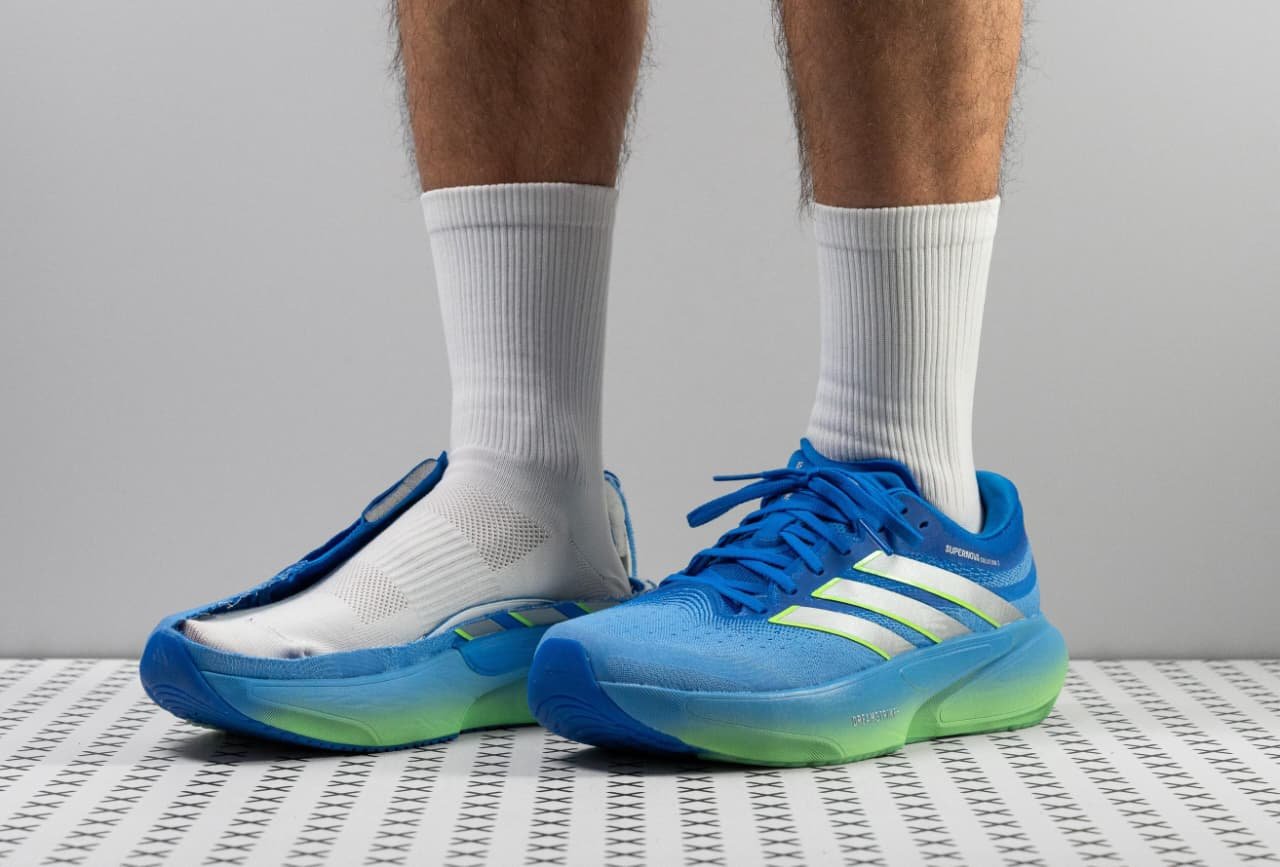
Walking shoes can be a good option for everyday activities.
Look for:
- Comfortable cushioning
- Stable construction
- Appropriate arch support
- Secure heel
- Breathable upper
- Suitable sole
Walking shoes should feel comfortable from the first few minutes of use.
Running Shoes
If you run or participate in higher-impact activities, running shoes may provide additional cushioning and support compared with casual footwear.
However, the “best” running shoe depends on your individual foot shape, running style, and comfort requirements.
Do not select a running shoe simply because it has the thickest sole.
Work Shoes for Standing All Day
People who spend many hours standing may require different footwear from someone who sits at a desk.
When choosing work shoes, consider:
- 🛋️ Cushioning
- 🛡️ Stability
- 👣 Support
- ↔️ Width
- 🧦 Comfort during long wear
- 🧱 Suitability for the workplace surface
If your workplace has specific safety requirements, make sure the footwear meets those requirements as well.
Sandals for Plantar Fasciitis
Not all sandals provide sufficient support.
If you want sandals, look for designs with:
- A supportive footbed
- Comfortable arch structure
- Secure straps
- Appropriate cushioning
- A stable sole
Very flat sandals with minimal structure may not feel comfortable for everyone experiencing plantar heel pain.
Medicated Shoes for Plantar Fasciitis
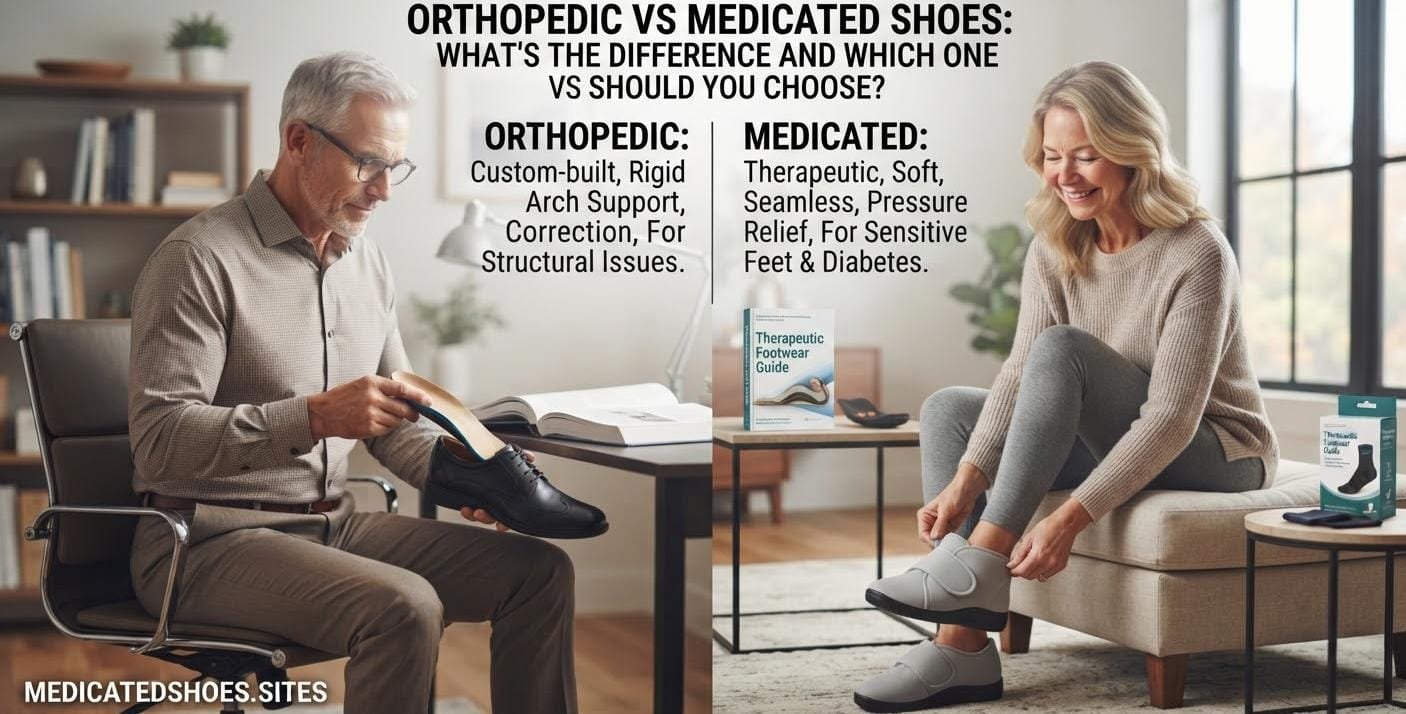
Many people searching for plantar fasciitis footwear also consider medicated shoes.
A medicated shoe may offer features such as:
- 🦶 Arch support
- 🛋️ Cushioned footbed
- 🛡️ Heel cushioning
- ↔️ Wider toe area
- 🔄 Flexible sole
- 🧩 Removable insole
- ⚖️ Stable construction
But remember that the label itself is not what makes a shoe appropriate.
The actual construction and fit matter much more.
What Should You Look For?
Instead of asking only:
“Is this a medicated shoe?”
also ask:
“Does this shoe fit my foot correctly and provide the features I need?”
That approach makes it easier to choose footwear based on your actual requirements.
How to Choose the Right Shoe Size
Sizing is critical when choosing footwear for plantar fasciitis.
A shoe that is too small may create pressure, while a shoe that is too large can cause unnecessary movement.
Measure Both Feet
Your feet may not be exactly the same size.
Measure both feet and choose footwear that comfortably accommodates the larger foot.
Measure at the Right Time
Feet can change slightly in size throughout the day.
Trying shoes later in the day can help you evaluate how they feel when your feet are at a larger daily size.
Wear Your Normal Socks
If you normally wear socks with the shoes, wear them while trying the footwear.
This gives you a more realistic idea of the fit.
How to Test Shoes Before Buying
Do not simply put the shoes on and immediately decide that they fit.
Use a short walking test.
Step 1: Stand Up
Standing changes how your feet interact with the shoe.
Step 2: Walk
Walk naturally for several minutes.
Step 3: Check Your Toes
Make sure they have sufficient space.
Step 4: Check Your Heel
Make sure your heel does not move excessively.
Step 5: Check Your Arch
The arch area should feel supported but not painful.
Step 6: Check for Pressure
Pay attention to any:
- Pinching
- Rubbing
- Burning
- Excessive pressure
- Unusual discomfort
If a shoe causes significant discomfort immediately, do not assume that you must force yourself to wear it until it becomes comfortable.
Morning Heel Pain and Footwear
One of the commonly reported features of plantar fasciitis is pain during the first steps after getting out of bed.
This can be frustrating because the discomfort may occur before you have even started your daily activities.
Some people find that supportive footwear used appropriately can make movement more comfortable.
However, morning heel pain has multiple possible causes.
If you repeatedly experience significant morning foot pain, professional assessment can help determine the underlying cause.
Can Barefoot Walking Make Plantar Fasciitis Worse?
This depends on the individual.
Some people may feel more comfortable walking barefoot, while others may experience more discomfort, especially on hard surfaces.
If barefoot walking consistently increases your symptoms, supportive footwear may be worth considering.
Rather than following a universal rule, pay attention to how your feet respond.
Should You Avoid Flat Shoes?
Very flat shoes may not provide the level of support that some people prefer when experiencing plantar heel discomfort.
However, “flat” does not automatically mean “bad.”
The overall design matters, including:
- Cushioning
- Stability
- Flexibility
- Footbed structure
- Fit
If a particular flat shoe feels comfortable and does not aggravate your symptoms, it may work well for you.
Can High Heels Cause Problems?
High heels change the position of the foot and can place additional stress on different areas.
If you experience plantar heel pain, frequently wearing high heels may not be comfortable.
For everyday use, shoes that allow your feet to remain in a more natural position may be preferable.
If you need formal footwear, consider styles that combine appearance with a more comfortable and stable design.
Common Shoe-Buying Mistakes
❌ Choosing Style Over Comfort
A beautiful shoe is not useful if it causes pain.
❌ Buying the Wrong Size
Never assume your regular size is correct for every brand.
❌ Ignoring Width
A shoe can be long enough but still too narrow.
❌ Choosing Maximum Cushioning
Extra softness does not automatically mean better support.
❌ Ignoring the Heel
Heel instability can make walking uncomfortable.
❌ Wearing Worn-Out Shoes
Old footwear can lose cushioning and structural support.
❌ Buying Without Trying
If possible, walk in the shoes before committing to them.
When Should You Replace Your Shoes?
Footwear does not last forever.
The replacement point depends on:
- How often you wear the shoes
- How far you walk
- Your body weight
- Walking surfaces
- Shoe construction
- How quickly the sole wears
Signs Your Shoes May Need Replacing
Look for:
- 🛑 Uneven sole wear
- 🛑 Flattened cushioning
- 🛑 Cracked or damaged sole
- 🛑 Deformed heel
- 🛑 Torn upper
- 🛑 New discomfort while wearing an old pair
If a previously comfortable shoe suddenly feels uncomfortable, inspect it for wear.
Footwear Alone May Not Solve Plantar Fasciitis
This is an important point.
Shoes can influence comfort, but plantar fasciitis is not simply a “bad shoe” problem.
Other factors may contribute to symptoms.
These can include:
- Activity changes
- Prolonged standing
- Foot structure
- Body weight
- Tight calf muscles
- Certain types of exercise
- Training errors
- Other biomechanical factors
A comprehensive approach may be more appropriate than relying solely on footwear.
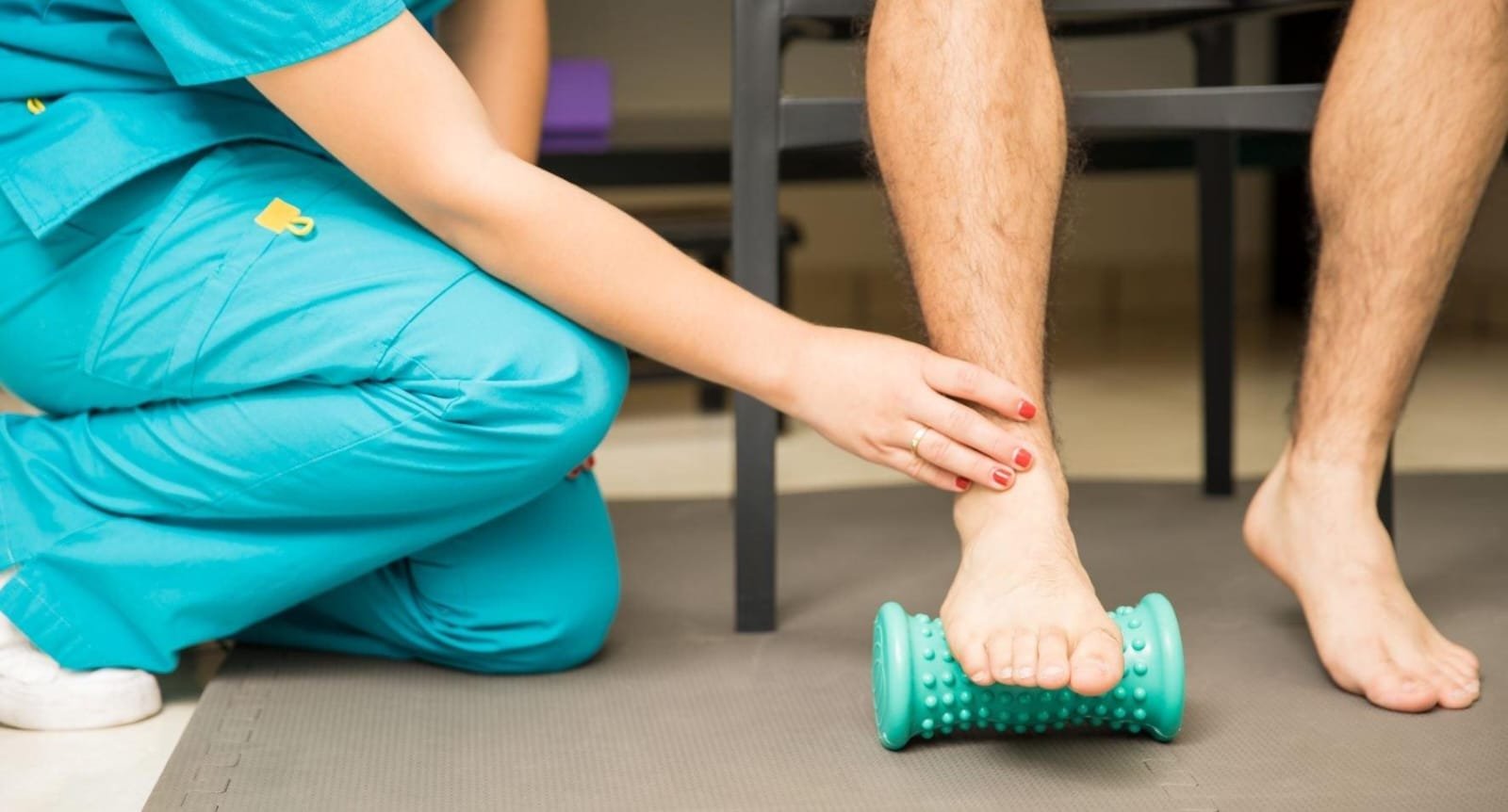
Depending on the individual situation, a healthcare professional may recommend approaches such as activity modification, stretching, exercises, physical therapy, or other treatments.
Simple Footwear Habits for Better Comfort
You can make your footwear routine more effective with a few simple habits.
👟 Rotate Suitable Shoes
If possible, rotate between appropriate pairs instead of wearing the same pair every day.
🧼 Keep Shoes Clean
Follow the manufacturer’s cleaning instructions.
🔍 Inspect the Inside
Check for damaged insoles or rough areas.
🧦 Use Comfortable Socks
Choose socks that fit properly and do not create unnecessary pressure.
📏 Recheck Your Size
Foot shape can change over time, so don’t assume that your size will remain exactly the same forever.
How to Buy Plantar Fasciitis Shoes Online
Buying shoes online can be convenient, but you need to evaluate the product carefully.
Check the Size Chart
Always compare your measurements with the manufacturer’s sizing information.
Read Product Details
Look for information about:
- Cushioning
- Insole
- Arch support
- Sole
- Width
- Materials
- Heel construction
Review the Return Policy
A good return or exchange policy can make online shoe shopping easier.
Read Customer Reviews
Reviews can help identify common issues with:
- Sizing
- Width
- Comfort
- Durability
But individual experiences vary, so use reviews as additional information rather than absolute proof.
Frequently Asked Questions
What are the best shoes for plantar fasciitis?
The best shoes vary from person to person. Many people look for footwear with comfortable cushioning, appropriate arch support, a stable platform, sufficient toe room, and a secure heel.
Are medicated shoes good for plantar fasciitis?
Medicated shoes with suitable cushioning and support may improve comfort for some people. However, the actual shoe design and fit are more important than the label.
Is arch support good for plantar fasciitis?
Appropriate arch support can be comfortable for some people with plantar fasciitis. However, excessively prominent or poorly positioned support may create discomfort.
Are soft shoes better for heel pain?
Not necessarily. Cushioning can improve comfort, but a shoe also needs appropriate stability and support.
Should I walk barefoot if I have plantar fasciitis?
Some people tolerate barefoot walking well, while others experience more discomfort. If barefoot walking aggravates your symptoms, supportive footwear may be more comfortable.
Are running shoes good for plantar fasciitis?
Some running shoes provide cushioning and support that can be comfortable for people with plantar heel pain. The best option depends on your individual needs and activity.
Can shoes cure plantar fasciitis?
Shoes should not be considered a guaranteed cure. Appropriate footwear may help improve comfort, but persistent symptoms may require a broader treatment approach.
How long should plantar fasciitis shoes last?
There is no universal lifespan. Replace footwear when cushioning, sole structure, or overall support has significantly deteriorated.
Should plantar fasciitis shoes be tight?
No. Supportive shoes should fit securely without squeezing the foot.
Can I wear sandals with plantar fasciitis?
Yes, but choose sandals with an appropriate footbed, cushioning, support, and secure fit rather than very minimal designs if those designs aggravate your symptoms.
Final Thoughts
Finding the best shoes for plantar fasciitis starts with understanding what your feet actually need.
A good pair of shoes should provide a comfortable combination of:
- 👣 Appropriate arch support
- 🛋️ Comfortable cushioning
- 🛡️ Heel stability
- ↔️ Adequate toe room
- ⚖️ A stable platform
- 🔄 Suitable flexibility
- 📏 Correct fit
Don’t choose footwear solely because it is labeled “orthopedic,” “medicated,” or “plantar fasciitis friendly.” Look at the actual construction and, most importantly, how the shoes fit your feet.
If your heel pain is persistent, severe, worsening, or interfering with normal activities, consider speaking with a qualified healthcare professional. Foot pain can have different causes, and an accurate assessment can help determine the most appropriate approach.
The right footwear should not promise a miracle. Its job is simpler and more practical: provide your feet with a comfortable, supportive, and stable environment for everyday movement.